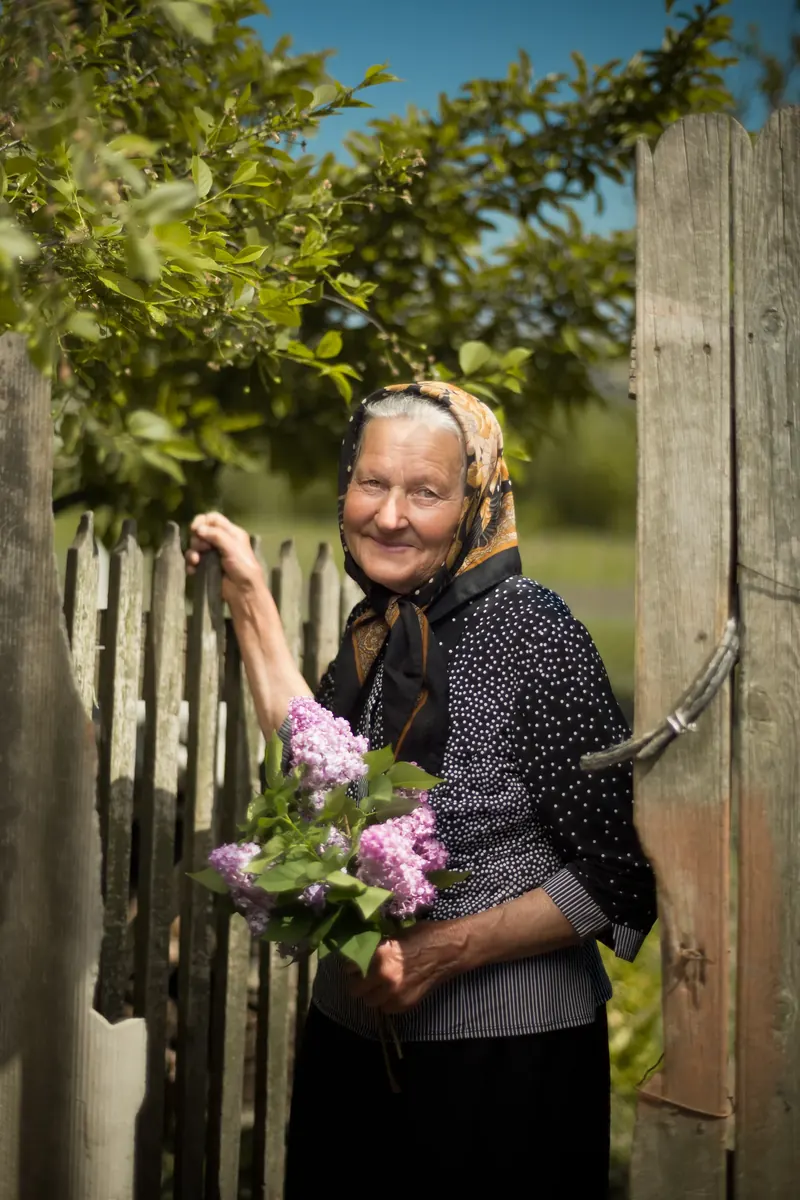
Maria Ilyinichna Fomina, born in 1934, has lived all her life in Bessarabia, worked on a farm and as a kindergarten cook, and makes Placinta the way her mother and grandmother did.
I learned to cook when I got married. Before that there was no need: while I lived with my parents, my mom did the cooking. Village life is simple, and everyone has their own job. Then, when my children came along, I learned.
I have lived through several regimes. Through the hope, when everyone believed in communism, and through the dispossession of people who wanted to work and did work. Through the Romanian government, which protected the Bessarabian people from the Nazis and didn’t let them mock ordinary people, and through the terrible postwar famine. Through the revival and the decline of a great country, and the time when a new one was taking shape.
Life is hard, but money doesn’t rule the world: love does. The younger generation has forgotten this and chases every penny, and whoever can’t keep up with that race becomes a hopeless drunkard. If they loved, they would be happy.
I was born in 1934. I don’t know the date of my birthday, so I celebrate it on the day of my angel, Mary.
All my adult life I worked on the farm; we called it “dragging the norm.” In the Soviet Union they didn’t give us money in the villages, and no passports either, so that we couldn’t go to the cities. So there were norms we had to fulfill, and for them we were credited with points that we could exchange for food, clothing, and so on.
Then I got sick and couldn’t do manual labor, so I got a job as a cook at a kindergarten. That was in the ’70s, and that’s how my professional career began (laughs).
My husband, Yevdokim, worked all his life as a truck driver. He traveled all over the great country, the USSR, and went abroad, and the newspapers wrote about him. As for me, apart from a few cities in Ukraine and a resort in Latvia, I haven’t been anywhere else. All my life I have lived here in Bessarabia.
In the kitchen I never weighed anything; I’ve always judged everything by eye. I learned this from my mother, and I taught my daughters to do the same.
Every dish is prepared in its own way, depending on traditions, family values, upbringing, and approach. Different people make the same recipe differently: one makes a delicious dish, and another doesn’t.
The children at the kindergarten where I worked always knew when I was on shift. I never skimped on food: the porridge was very sweet, and the soup was rich.
The main thing in a dish is organic food and water. In the cities your water is insipid, not alive, and that’s no good for cooking. I always made simple dishes, because the simpler a dish is, the closer it is to people and the better it tastes.
In Bessarabia our cooking is mixed: we have Ukrainian, Russian, Moldovan, Bulgarian, and Romanian kitchens. And all of it is seasoned with the wild: our herbs, thyme, chamomile…
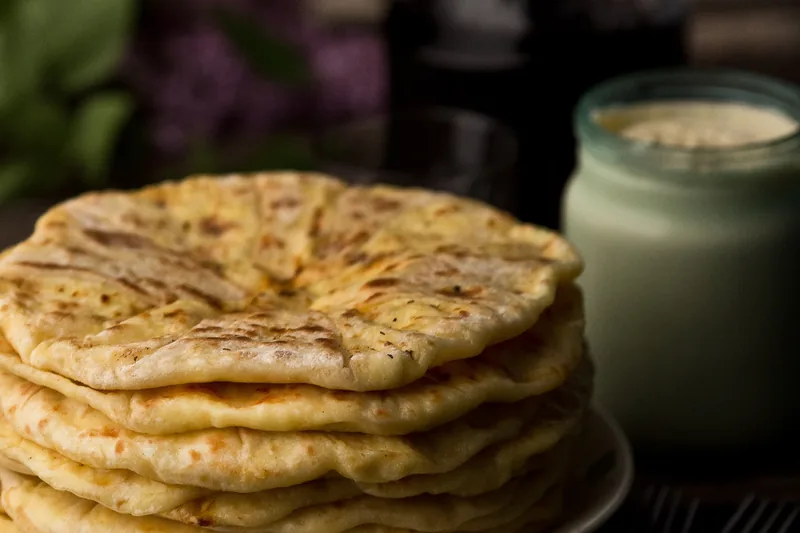
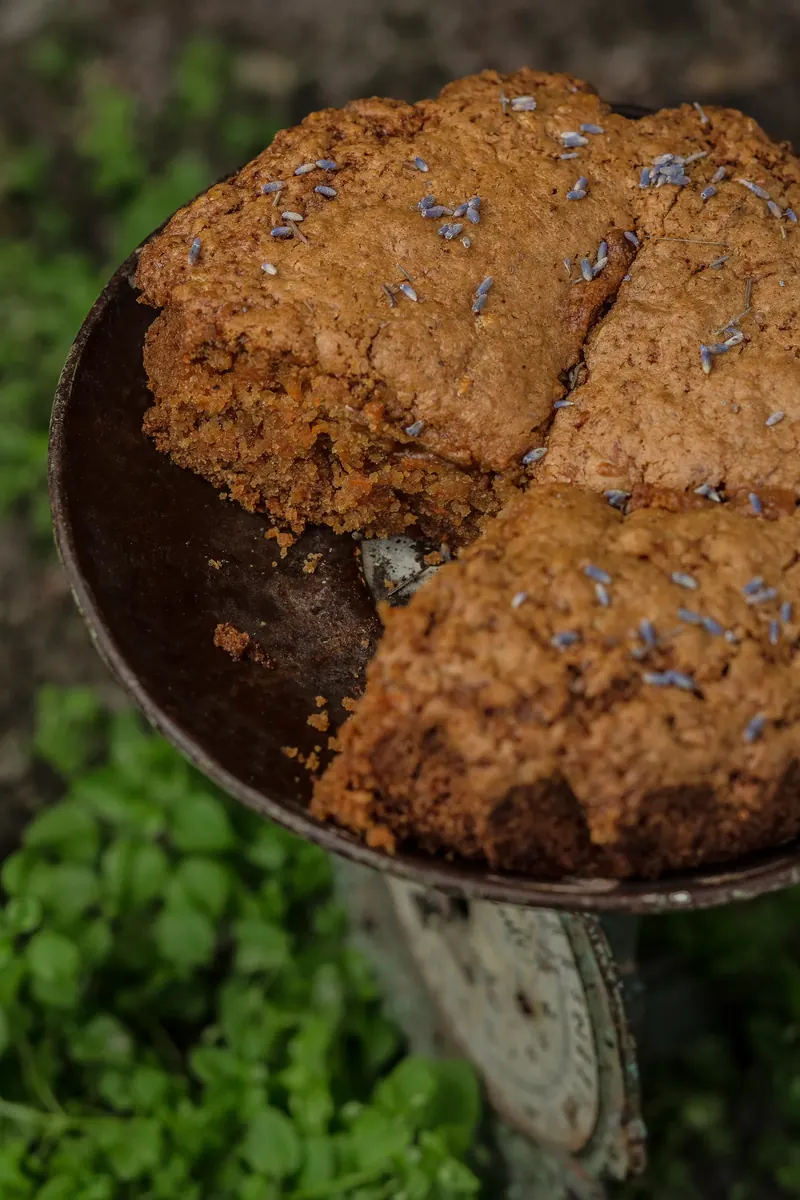
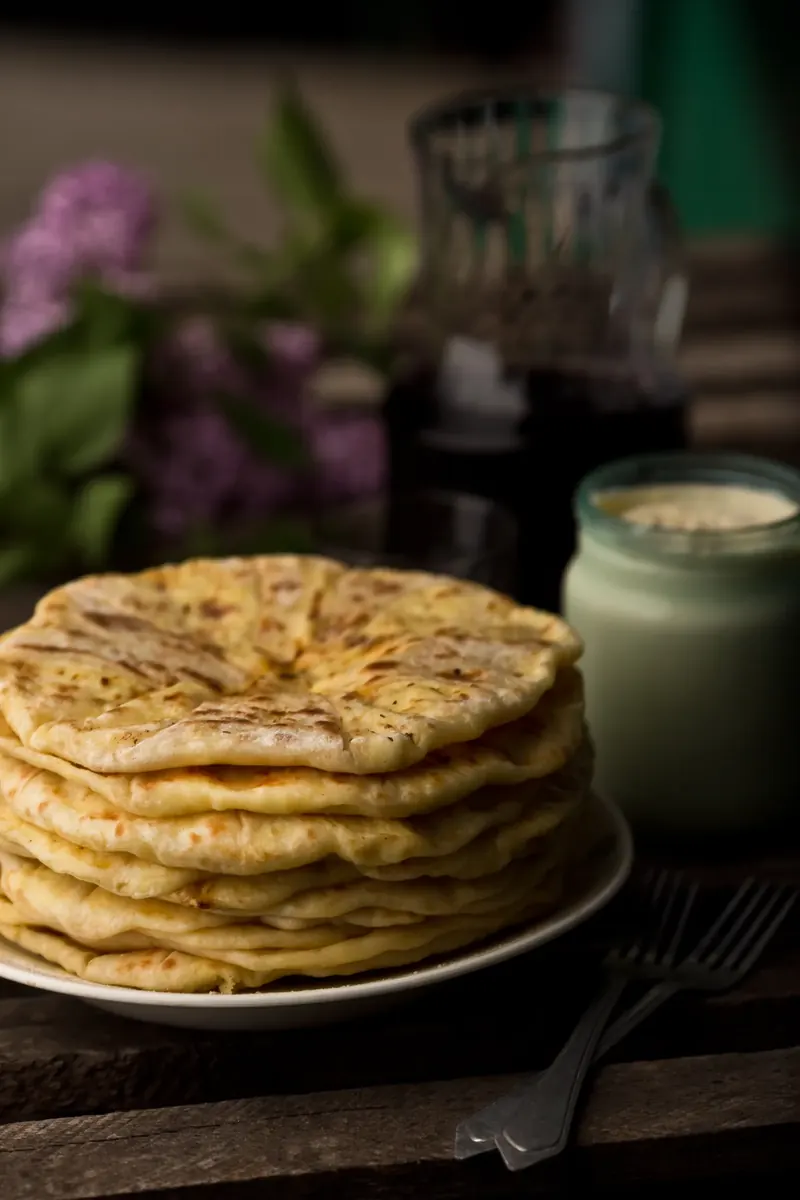
In the photo is a traditional Moldovan dish that my children, grandchildren, and great-grandchildren love. This is Placinta, with one special feature. It is fried in a dry frying pan without a drop of oil, and only then is it brushed with melted cow’s butter. That’s how my grandmother and my mother did it, and now I do the same.