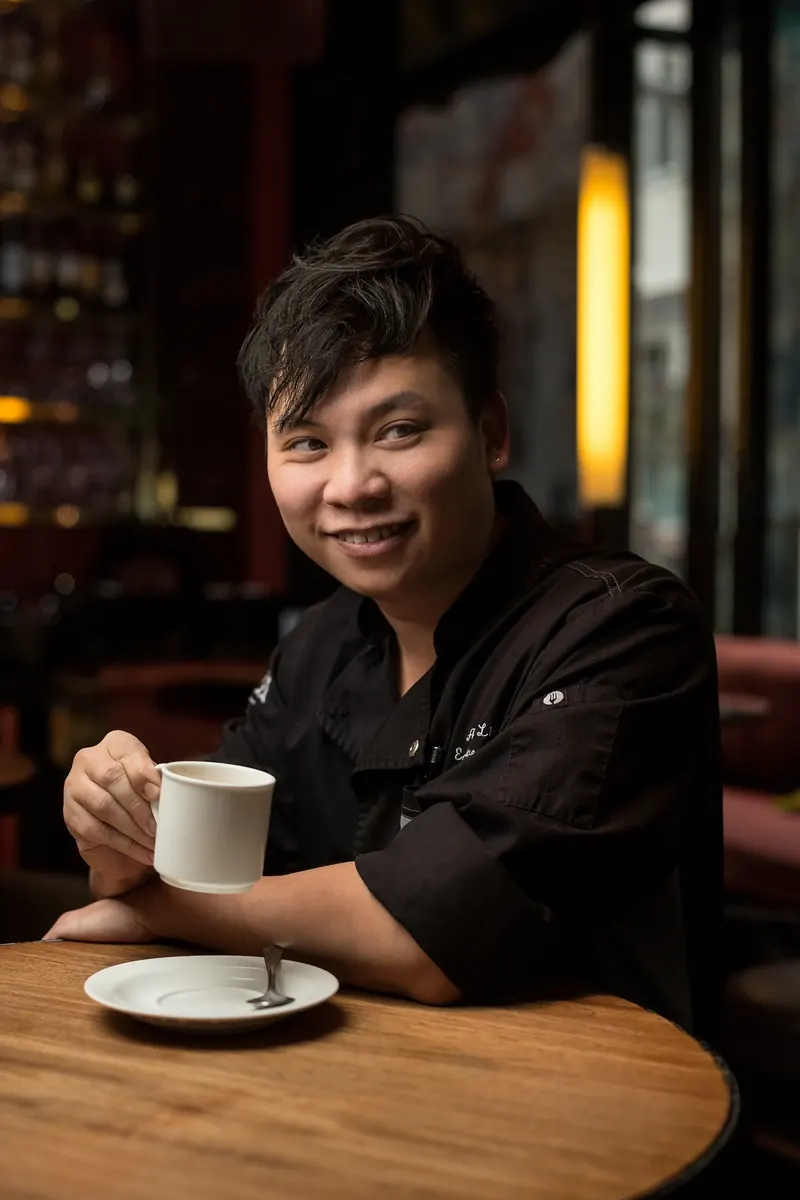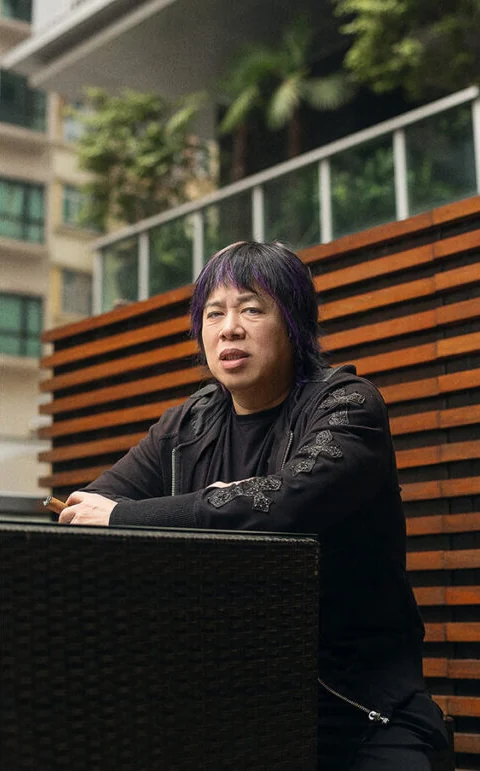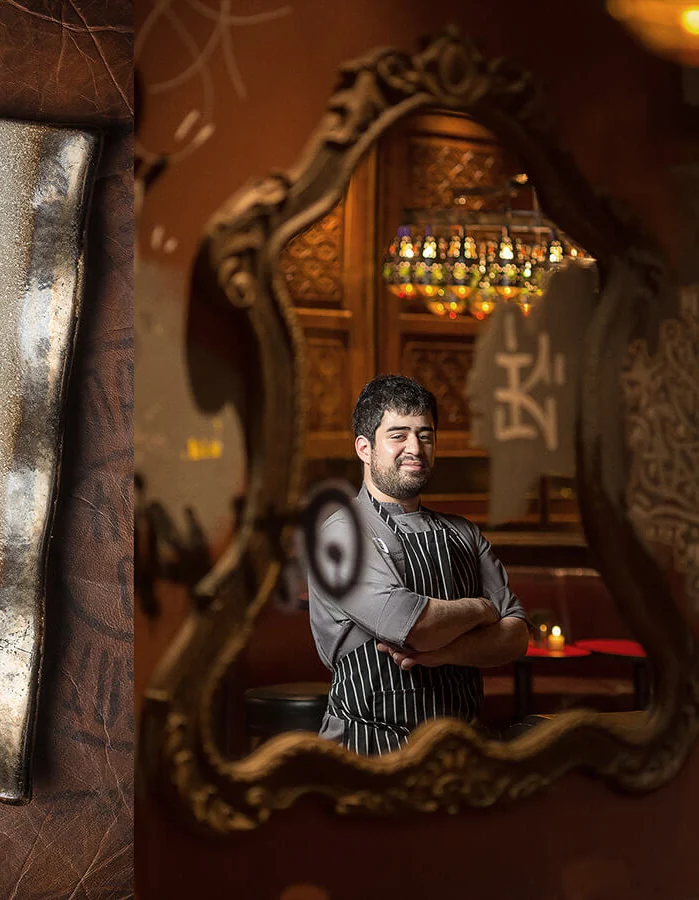
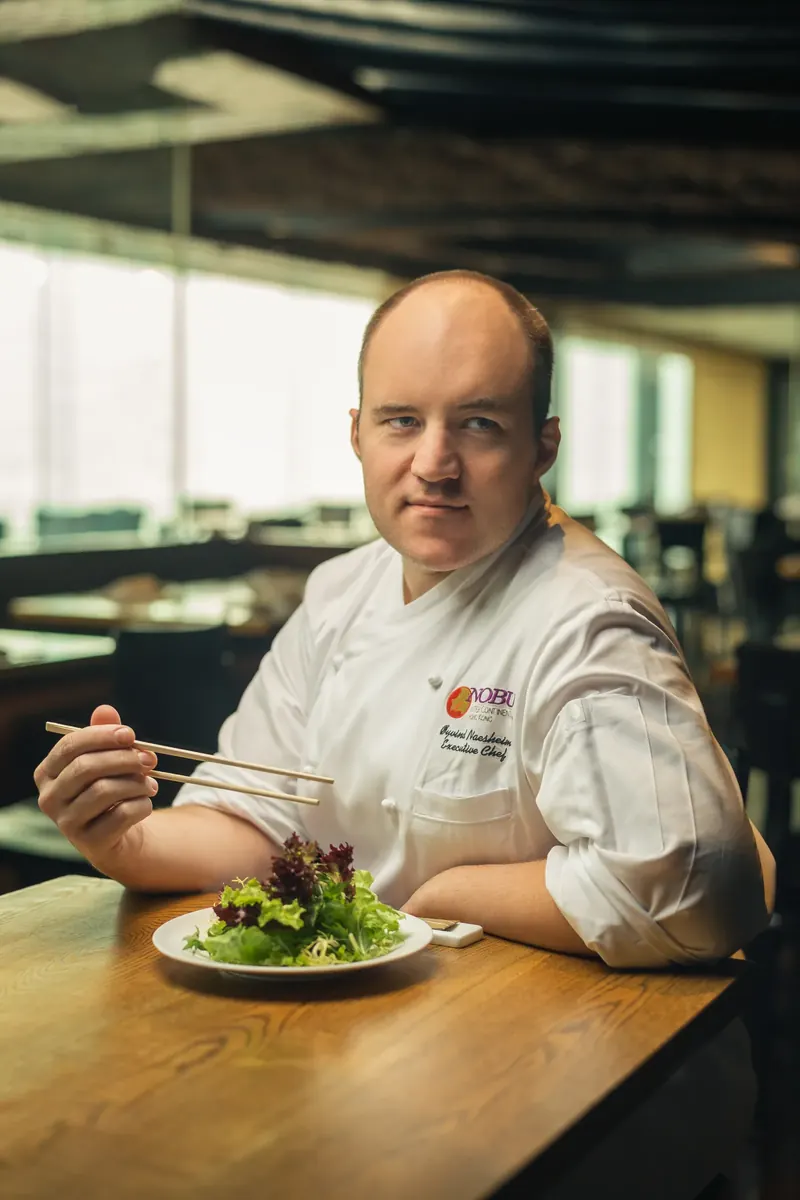
Oyvind Naesheim, born in Stavanger in 1980, learned the soul of Norwegian cuisine from his grandma and has worked for Nobu for 11 years, now as chef of Nobu InterContinental Hong Kong.
My name is Oyvind Naesheim, one of those names that is hard to pronounce even if you know how. I’m part of the worldwide Nobu empire, which consists of 28 restaurants in different parts of the world and is owned by the actor Robert De Niro. I’m the chef of Nobu InterContinental Hong Kong.
I was born on February 20, 1980, in Stavanger, an ancient and beautiful city in Norway. It was there, as a child, that I developed my passion for food: I spent countless hours in the kitchen at home next to my grandma. Thanks to her, I came to know the “soul” of Norwegian cuisine, and I haven’t forgotten it to this day, even while cooking Japanese food at Nobu.
Norway is a very beautiful country. Not far from my city is one of its most popular tourist destinations, the Lysefjord. Nature has attracted me since childhood, and I’ve always been close to it, because we grew up on the outskirts of the city. One of young Oyvind’s favorite pastimes was boating, and every summer I practically lived in a boat.
I’m not afraid of dirty work. I could have gone to an office and done routine but “clean” work instead of washing dishes, cleaning tables, and helping out in the kitchen. But I couldn’t: I was endlessly drawn to cooking something rather than making a dozen copies of some important document. So I decided to wash dishes and clean tables.
After gaining my skills at culinary school, I started working at one of the best restaurants in Norway at the time. It was in my hometown, and I was 18. Over the following 5 years I worked in Norway and also in France and on the luxurious Caribbean island of Saint-Barthélemy (St. Barts).
I’ve been working in the worldwide Nobu chain for 11 years: I was in London, Beijing, and Hawaii. I worked in Hong Kong in 2006–2010 and came back here again last year. All in all, I’ve traveled quite a bit.
In France, I studied the country’s classical cuisine and its modern interpretation. In London, I was sous-chef to real masters, and that experience was awesome. Honor and good luck: I found myself in the right place at the right time and made use of the opportunities.
Even as a child I was always interested in food. It was more than “I want to eat!”: I really spent a lot of time in the kitchen. I learned traditional recipes from my grandma, and they still live in my memory. I practiced them until they became second nature.
When I was 13, a teacher asked me what I would like to become. This question excites everyone: as soon as a child says the words “mother, father, banana, cat,” everyone starts wondering, “Hmm, what will he become?” Anyway, I answered that I would be a chef, and that’s how it all started.
I like simple food and simple, “clean” flavors. I don’t forget Norwegian cuisine and often cook it at home, either experimenting or simply following my grandma’s recipe. I’ve always loved making new flavor combinations and creating new flavors, experimenting with fish, herbs, sauces, marinades, meat, and spices. Every time, a new “spirit” of a dish is born, and it’s amazing!
I like photographing simple things, but in a way that makes you say “Wow!” Every day we see thousands of little things and their combinations, and it’s important to keep seeing the beauty in them. If you can’t yet, learn to.
My work is delicate: I compose dishes, their accents and moods. But I’m drawn to something bigger as well. I like watching programs on astronomy and learning something special about the universe. It’s cool to understand what you live in, or at least to try to understand.
Be devoted to what you do. I mean truly devoted, not just for the 7, 8 or 9 hours a day you’re supposed to work. Have a passion for what you do, and discipline yourself and your business. These are 3 important rules for becoming a successful chef, and they work in any career: passion, dedication, discipline. Hang it on the fridge, mm?
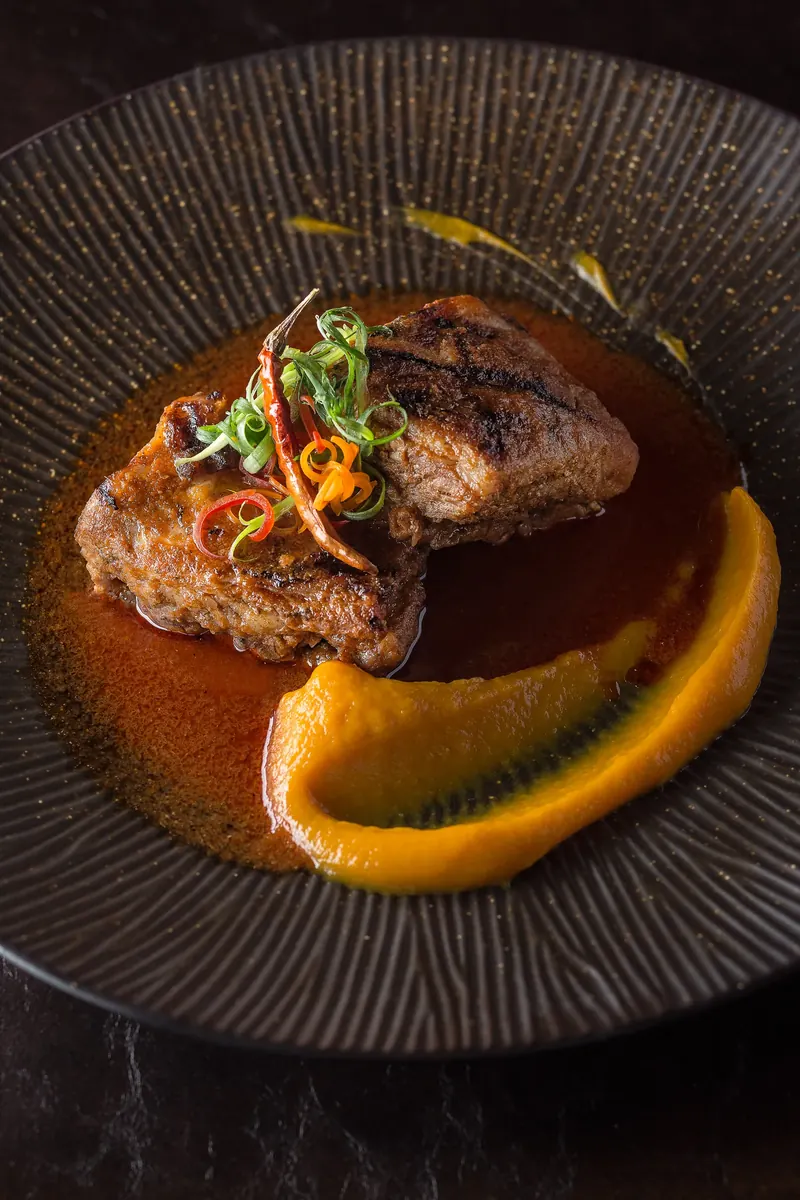
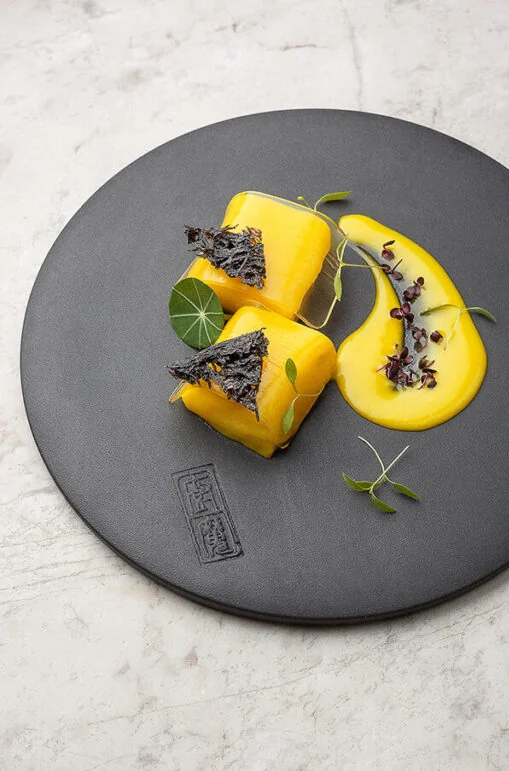
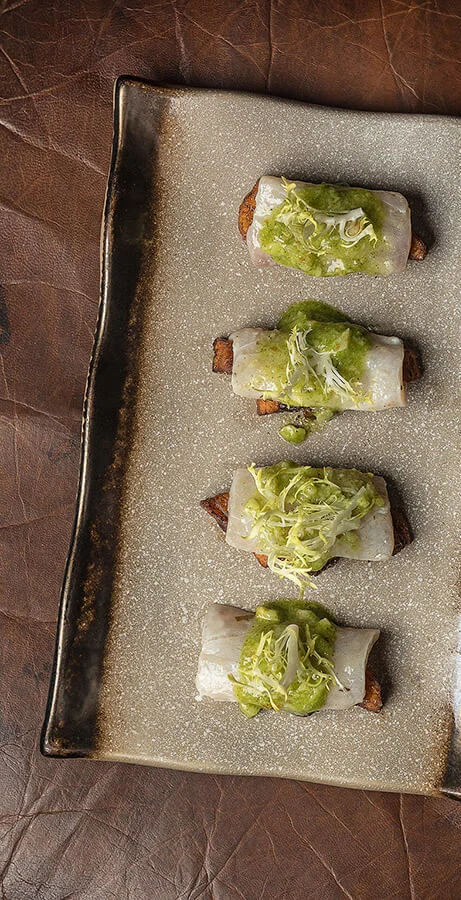
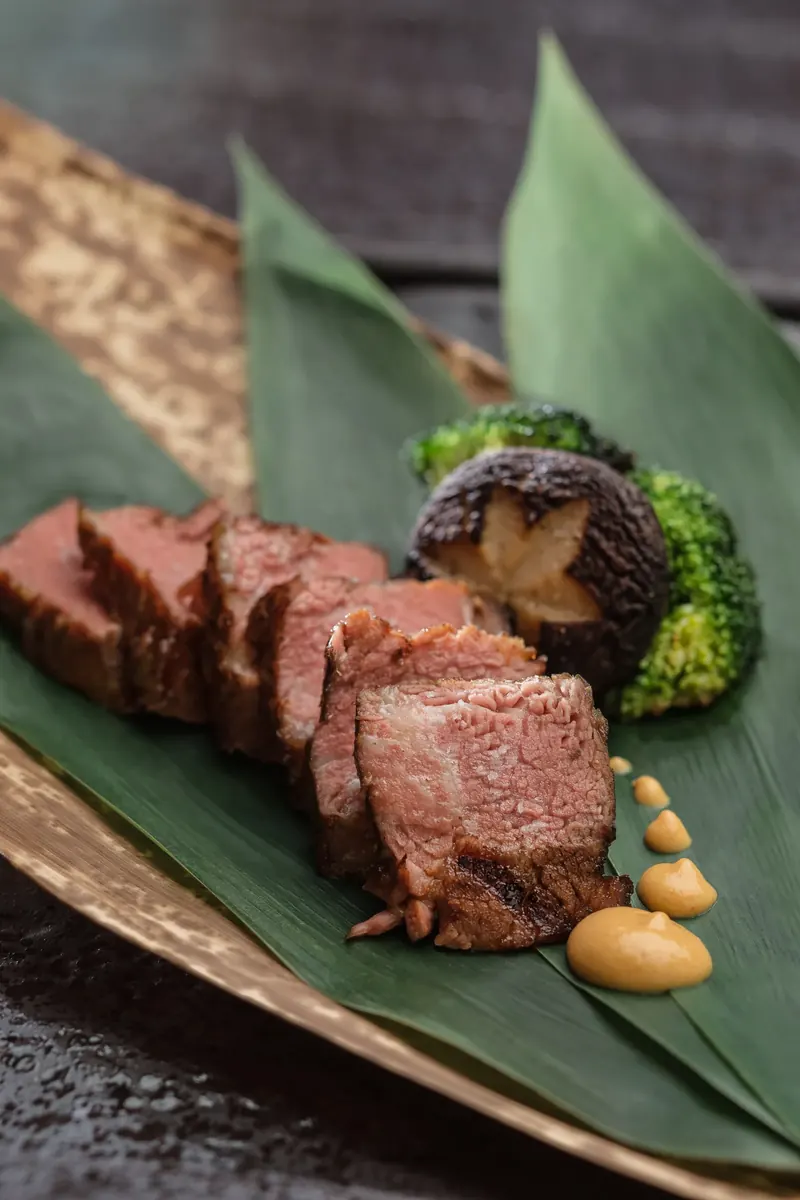
The dish in the photos is “48-hour” short ribs with rocoto mustard. The beef is cooked in its own juices for 2 days, and it turns out very delicious. Then everything is simple: add spicy Peruvian mustard, and the dish is ready to be served!