The Road to a Michelin Star: Where Chefs Trained and What a Star Meant to Them
We re-read all 105 Food’n’Chef stories for what chefs say about Michelin stars, and in 11 of them the chef says they, or the kitchen they lead or cook in, hold stars.
Food’n’Chef has gathered 105 stories of chefs and cooks, 103 of them told in the first person. For this piece we re-read every one of them and marked each passage about Michelin stars, guides and awards, and about the kitchens and chefs they learned from. Then we counted. Stars and awards are given here as the chefs described them; we have not checked them against the Michelin Guide.
Michelin comes up in 21 of the 105 stories, and a star, an award, a title or a guide listing of some kind in 32. In 11 stories, the chef says they hold Michelin stars, or that the restaurant they lead or cook in does. In seven, the chef says they learned in Michelin-starred kitchens. Five of the 11 say the first star came fast. And in five stories, the chef sets stars, cups or titles against the guests and says the guests matter more. Below are the patterns that came up in at least three stories each, in the chefs’ own words.
Where they learned
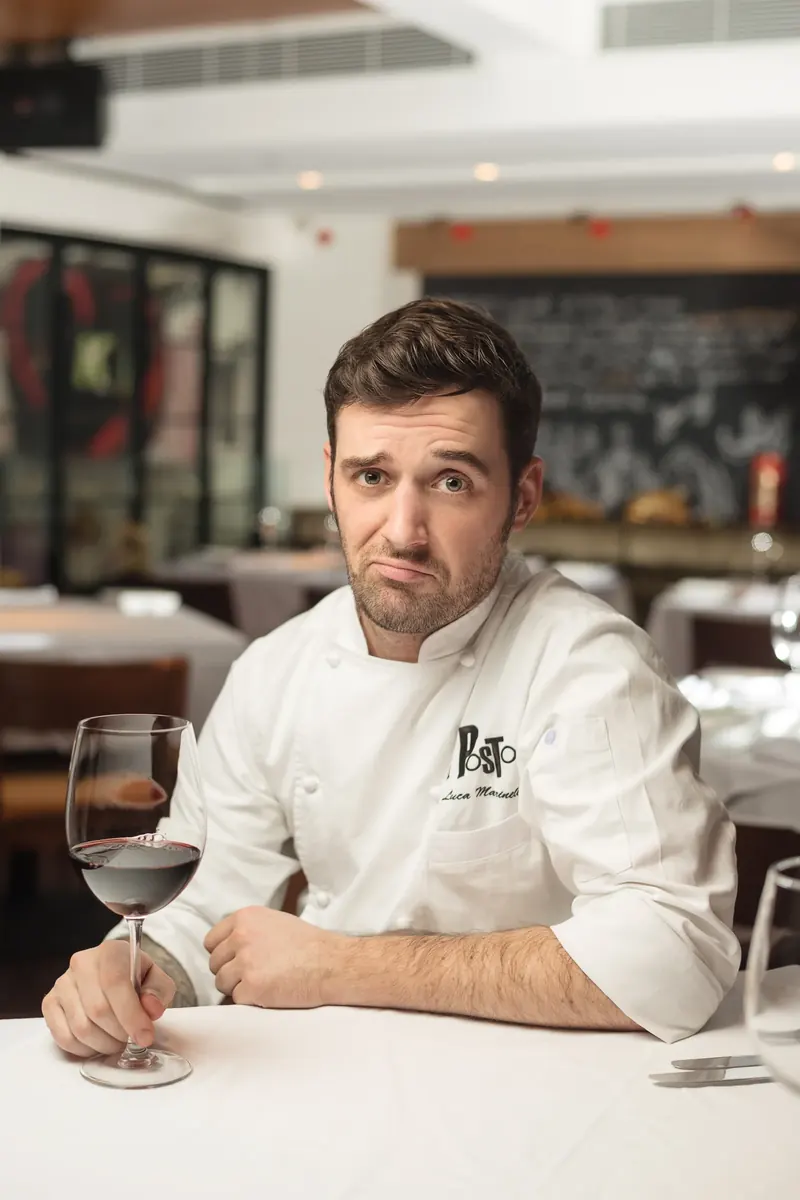
In seven stories, the chef says they worked in Michelin-starred kitchens. Shaun Anthony spent five years in European restaurants with one to three stars. Jérôme Abraham worked in “fine palace hotels and Michelin-starred restaurants with impressive chefs who taught me a lot”. Luca Marinelli became chef de partie at Uliassi, which he describes as a restaurant with two Michelin stars. Matt Abergel applied to Masa in New York, a restaurant with three Michelin stars in his words.
At Masa I found a great mentor and teacher in “Taisho”, Masayoshi Takayama. I spent three years under his direct instruction and guidance.
Matt Abergel, Hong Kong
He says the apprenticeship “essentially made me the chef I am today”. Yuriy Chernous spent almost five years in the Czech Republic and calls it perhaps the most significant time of his career.
Just imagine me alongside starred cooks, gods of the kitchen according to Michelin! I was very busy absorbing, listening, trying, asking questions and setting up trailblazing experiments.
Yuriy Chernous, Kyiv, Ukraine
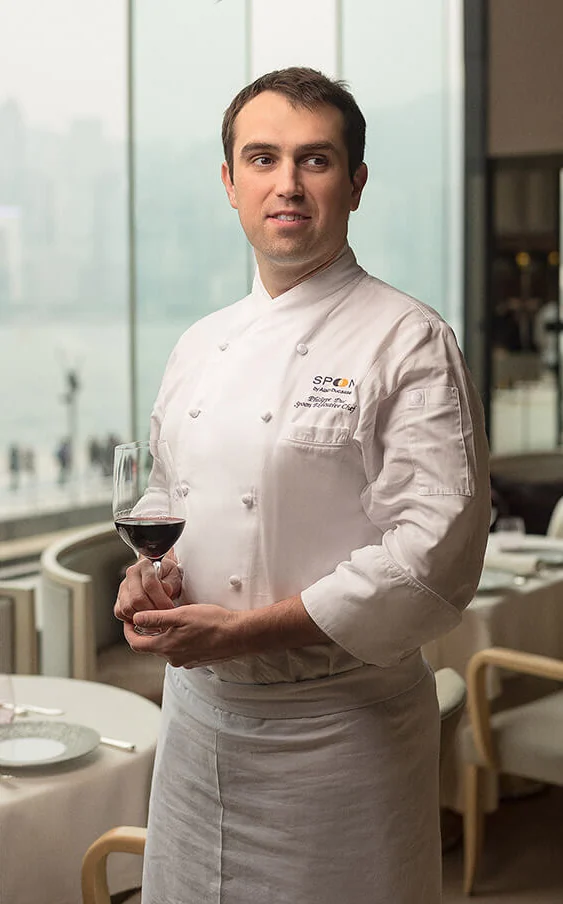
Other chefs name the people they learned from rather than the stars. Alain Ducasse comes up in three stories. Jordi Joan’s father helped him get internships in Europe, and he went on to work with Ducasse at the Louis XV in Monaco. Romain Fornell started his career with Ducasse and Michel Sarran and at Le Taillevent, and calls it “invaluable practice”. Philippe Duc did his military service at the Hôtel de Matignon, the Prime Minister’s residence.
It was a great and ambitious experience that opened the door of Alain Ducasse Enterprise to a simple farm boy.
Philippe Duc, Hong Kong
Stephane Istel names Michel Royer and Daniel Boulud as his mentors, Jonay Armas worked with the Roca brothers of El Celler de Can Roca, and Billy Otis spent three years working under Rick Bayless.
The first star
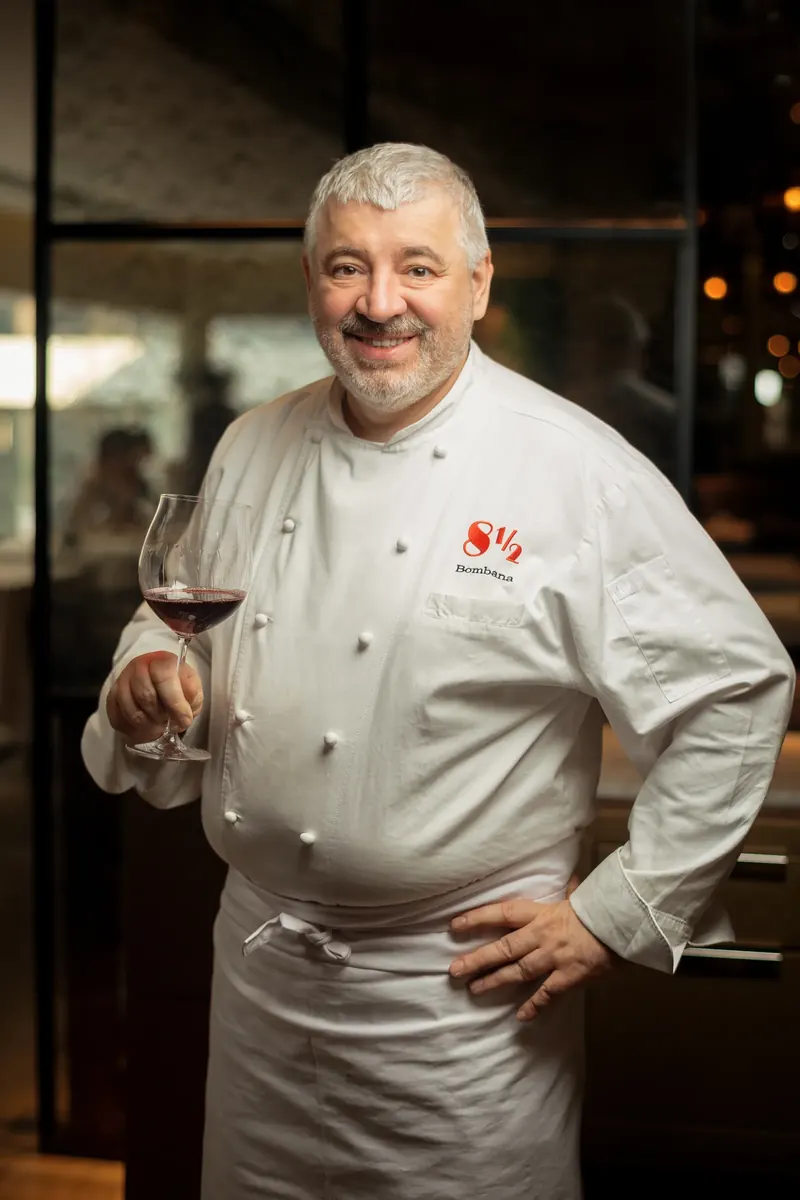
Of the 11 stories in which the chef holds stars, five say the first one came fast. Jonay Armas received his in 2012, “just one year after The Principal opened”. Umberto Bombana opened 8 ½ Otto e Mezzo BOMBANA in Hong Kong in January 2010, and by November it had stars. Alejandro Sanchez opened his first solo restaurant at 24, and soon after it, “Alejandro”.
I was bold enough to earn my first Michelin star after one year of operation. Can you imagine?
Alejandro Sanchez and Wijannarongk Kunchit, Hong Kong
Two say they were the youngest. Romain Fornell’s first star, in 2001, made him “the youngest chef in France to get a star that year”. Jordi Cruz Mas was 24.
I became the youngest chef in Spain, and the second in the world, to be awarded a star by the distinguished, legendary guide.
Jordi Cruz Mas, Barcelona, Spain
He now counts four Michelin stars, in his words, but says they did not make him famous. Becoming a judge on Master Chef Spain did, and after that his Facebook page “wouldn’t stop pinging with new friend requests”.
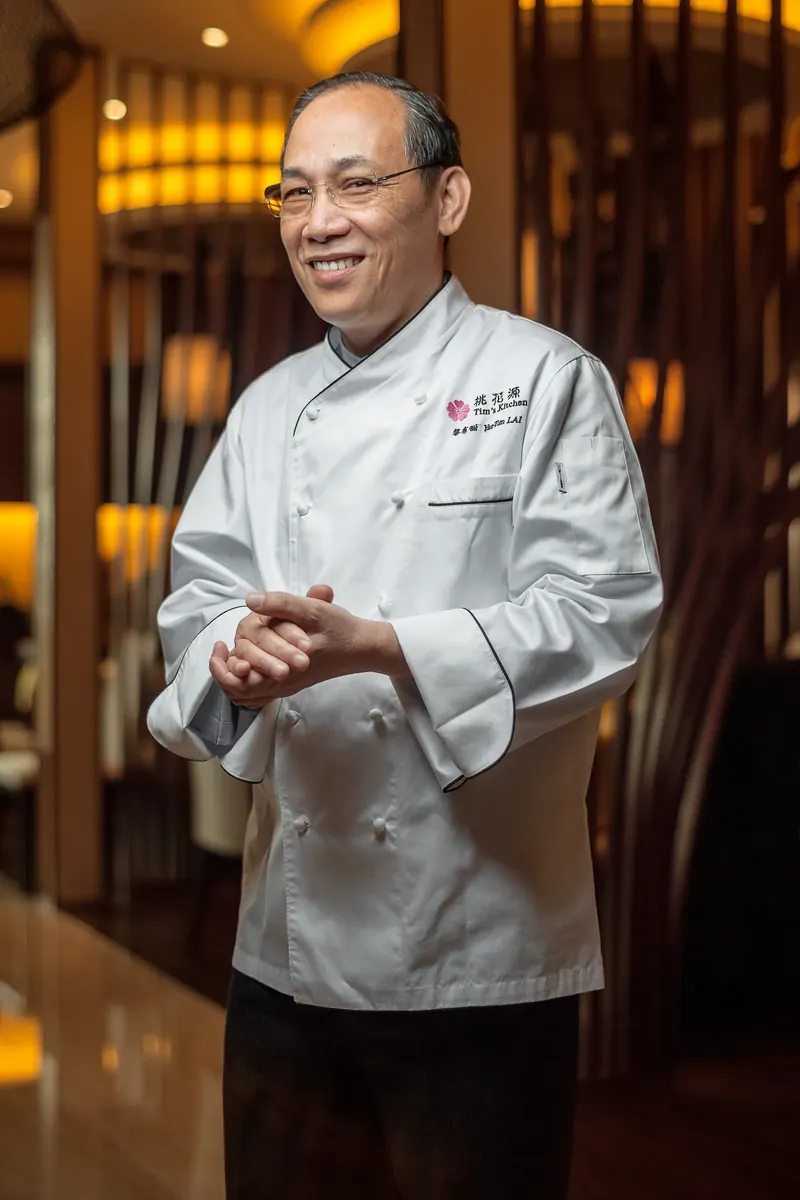
For others the road was long. Luigi Taglienti worked in “the best restaurants I could find around Italy and France”, La Palme d’Or in Cannes among them, before he was given his first restaurant in 2007 and earned his first star there. Lai Yau Tim’s restaurant received two stars in 2010.
My journey was quite long: I started my career at 17 and opened my own restaurant 33 years later.
Lai Yau Tim, Hong Kong
Not every mention is a star. Wijannarongk Kunchit says Sukho Thai, the restaurant he helped launch in Stanley, “was not awarded a star, but it received mentions in the Michelin Guide”.
Butterflies, pride and the biggest reward
In five stories, the chef describes what a star felt like or what it meant. Alvin Leung, who says he never had a diploma or formal training, got his first star for Bo Innovations in Hong Kong.
Nothing will ever erase those emotions. It is like butterflies in your stomach!
Alvin Leung Jr., Hong Kong
Hideaki Sato calls the day RyuGin received three Michelin stars the “most amazing, memorable, magical and cool moment”.
It’s hard to describe that feeling of pride and happiness. It happened recently and I still remember it very well, but I know I won’t forget a drop of that feeling even in 20 years.
Hideaki Sato, Hong Kong
Umberto Bombana sums up his restaurant’s first two years in one line.
In November it was awarded two Michelin stars, and in 2011 three, which for me is the biggest reward.
Umberto Bombana, Hong Kong
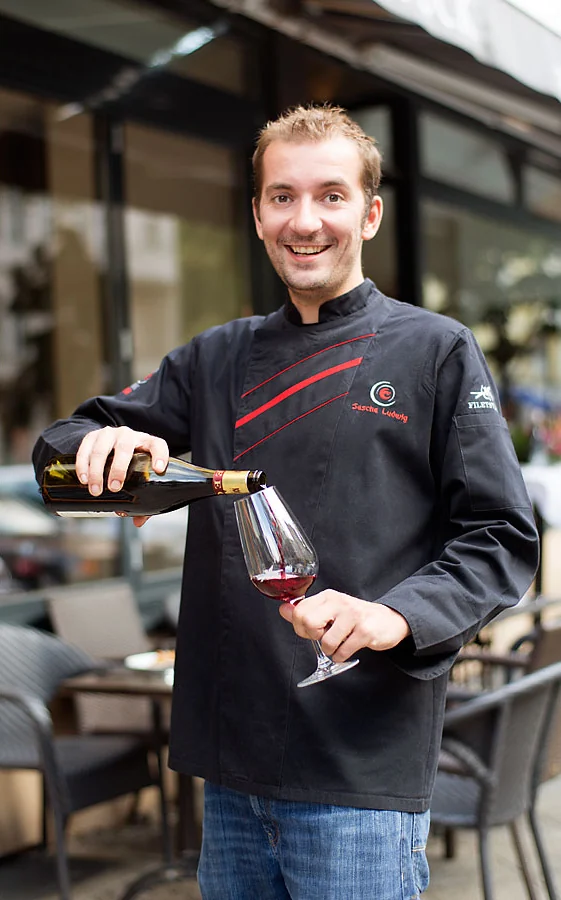
He says it is the only Italian restaurant outside Italy to have received three stars, three years in a row. Sascha Ludwig speaks of the honor of being part of a Michelin-starred team, and Gregoire Michaud, a pastry chef, says awards inspire him most.
Three chefs look ahead to more. Alejandro Sanchez believes “my new stars are all ahead of me”. Pino Lavarra, who now has two stars in his words, says “I don’t plan to give up”, and Michaud says his team is “ready to conquer new peaks”.
What it took
Six stories describe the price of learning under the best, of a place in a starred team or of a title: proving yourself, mistakes, discipline, humbling lessons. Luca Marinelli was accepted as a full-time member of the team at Uliassi in 2005.
After my apprenticeship, after putting my blood, sweat, and tears into proving myself, finally earning the team’s approval was an amazing feeling.
Luca Marinelli, Hong Kong
Pino Lavarra calls his time in London “a great time of great mistakes” and would rather call the period a tournament.
I worked in Michelin-starred restaurants, and they really gave me life lessons and priceless experience.
Pino Lavarra, Hong Kong
For Sascha Ludwig, the honor and the cost come together.
It’s an incredible honor for any chef to be part of a Michelin-starred team, and beyond the pride, it means unparalleled discipline, responsibility, and professionalism.
Sascha Ludwig, Berlin, Germany
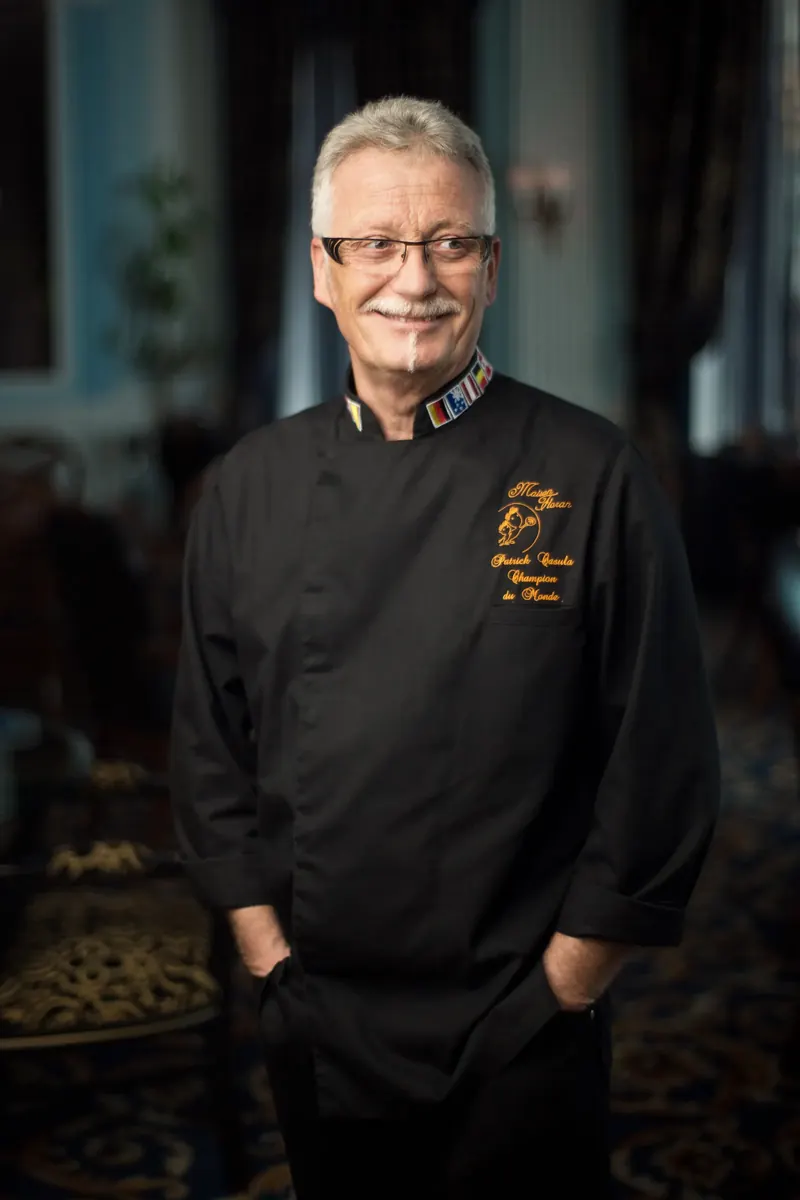
In 1990, Simson Kwan went to Thailand expecting to impress a Thai chef with 70 years of experience, “famous and fabulous” in his words. She threw his chopped garlic into the trash, and he spent three hours practicing. Luca De Berardinis, who says the Michelin team agrees he is a chef by calling, remembers falling asleep on the dirty floor and washing dishes on the way. Patrick Casula says he became Pastry World Champion “thanks to my ability to give myself to the work”.
Passion always involves some kind of suffering, but it also allows you to break out far beyond the realm of the possible.
Patrick Casula, France
The team’s award
In five stories, the chef credits a star, an award or a guide listing to the team rather than to themselves. Jean-Pierre Jacob says he does not usually expect awards.
But when I got my first award, I realized it wasn’t my personal achievement alone: it was the merit of the whole team that worked with me.
Jean-Pierre Jacob, France
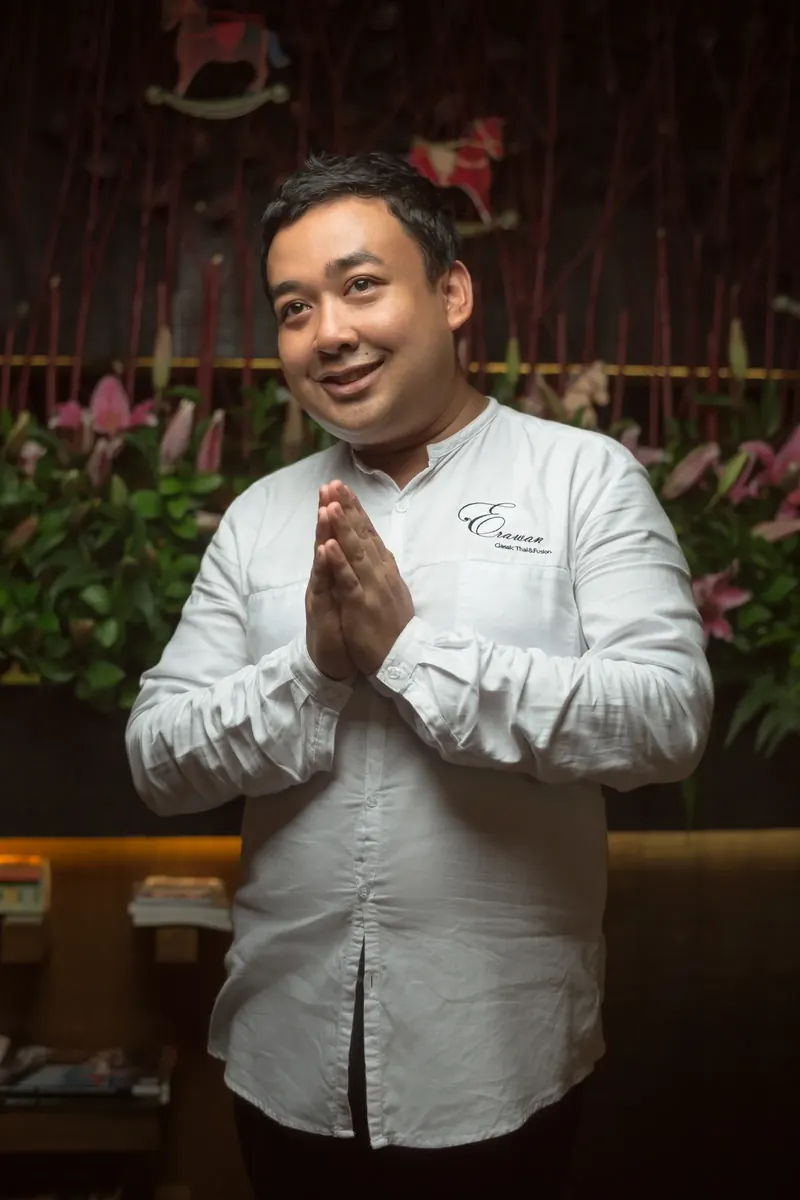
Trakool Yodsuk, known as Chef Korn, says his restaurant Erawan has been included in the Miele Guide several times, and in 2013 it was second among the five best restaurants in Malaysia.
But there is nothing to get conceited about, because it only shows that my team and I are doing everything right.
Trakool Yodsuk aka Chef Korn, Malaysia
Lau Yiu Fai is proud of a dish his Yan Toh Heen team created together, which won a gold medal at the Hong Kong Tourism Board’s “Best of the Best” Culinary Awards in 2012. Alexander Ghazaryan says he and his colleagues have “repeatedly received recognition, even official nominations, prizes and titles”. Gregoire Michaud says two of the group’s restaurants have three Michelin stars each, and that this means “we are a great and successful team”.
A full dining room
In five stories, the chef sets stars, cups or titles against the guests, and the guests come first. Lai Yau Tim’s restaurant has two Michelin stars, in his words, and he wants none of the ceremony.
Still, I don’t think of myself as a star, and Tim’s Kitchen is a place where everyone is always welcome. If you want Michelin pretentiousness, gold forks, and serious faces all around, that’s not us.
Lai Yau Tim, Hong Kong
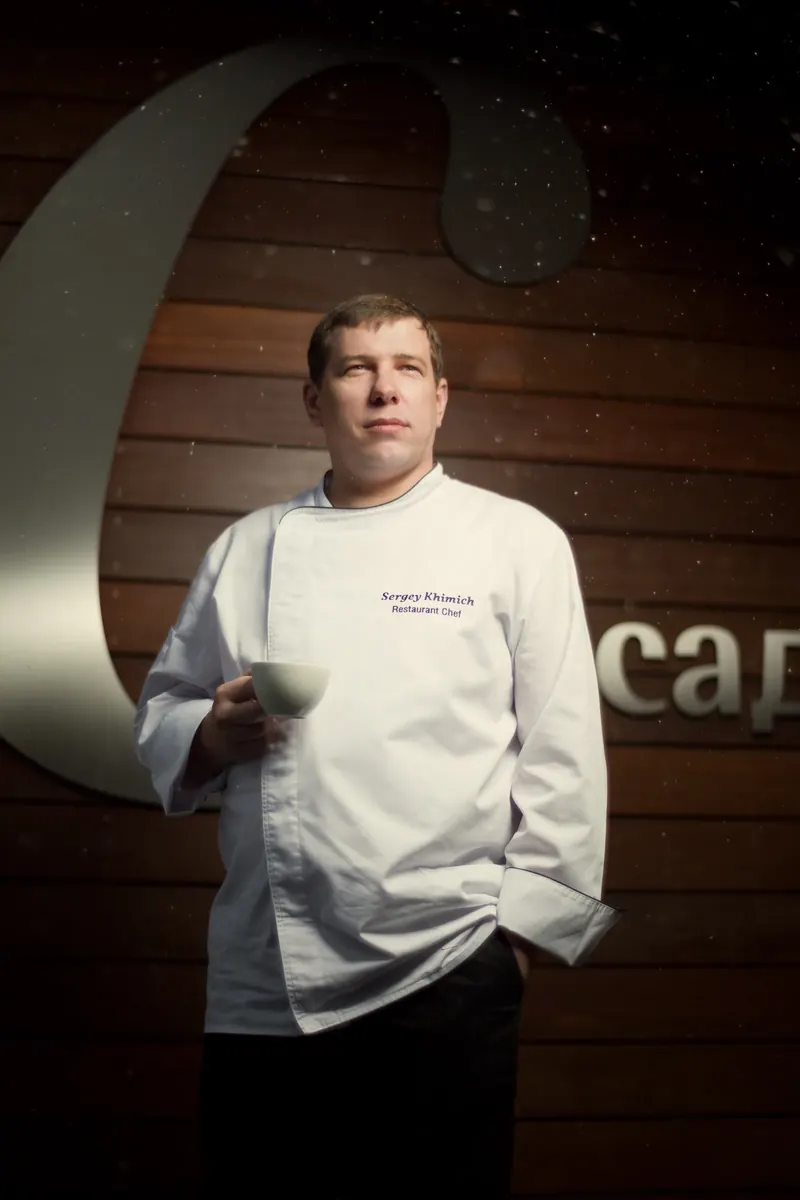
Sergei Khimich, a chef in Kyiv, says there are no Michelin chefs in his country yet, and puts it down to the uneven quality of the products chefs can buy. He measures his own work another way.
For me, the biggest reward is a restaurant full of people, ideally 24 hours a day. Stars and cups are nice, but the best indicator of quality work is a full restaurant.
Sergei Khimich, Kyiv, Ukraine
Misha Schaefer says the same from the other side.
I still consider the best measure of a successful restaurant to be the silent, very satisfied faces of the guests. What’s the point of loud titles and walls full of diplomas if the dining room is empty?
Misha Schaefer, Berlin, Germany
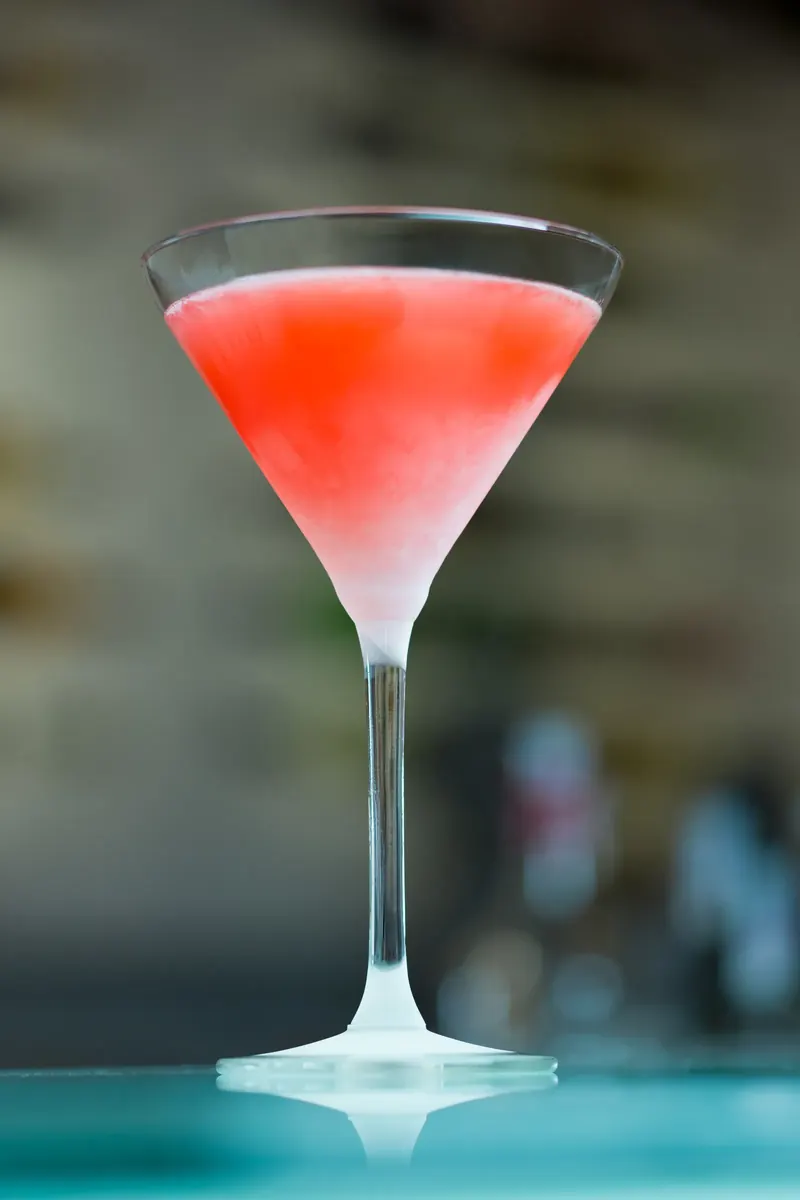
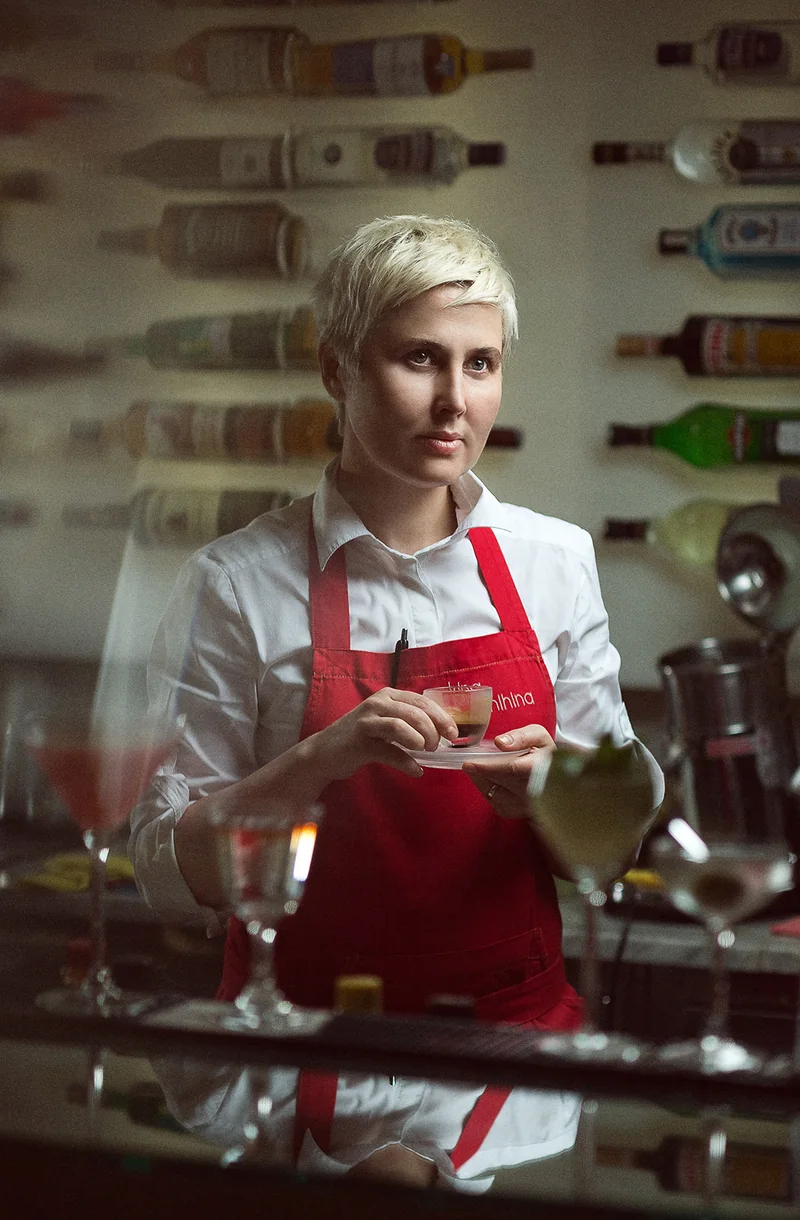
Iryna Mashykhina, a bartender, says her signature cocktail, Sapphire Infinity, won her the World Champion title at the Bacardi-Martini Grand Prix in 2007.
Title aside, it’s one of the best-selling cocktails in my bar, which I consider the most important thing, because guests are willing to drink it and pay for it.
Iryna Mashykhina, Kyiv, Ukraine
Alexander Ghazaryan, right after listing his team’s prizes and titles, adds: “But the most important thing is to satisfy our guests”.
What a star is for
The stories give several answers to what a star is for. For Umberto Bombana it is the biggest reward, for Gregoire Michaud a reason to aim higher, for Sascha Ludwig an honor that comes with discipline. For Trakool Yodsuk, a place in a guide shows the team is doing things right. For Sergei Khimich, Misha Schaefer and Iryna Mashykhina, the guests say more. Jean-Pierre Jacob, who learned from his first award that it belonged to the whole team, adds one more thing.
The most important thing is never to stop.
Jean-Pierre Jacob, France