What Chefs Want Home Cooks to Know: Their Advice on Cooking, Eating and Life
We re-read all 105 Food’n’Chef stories for the words chefs leave for readers: 58 of them give advice or a wish, from cooking at home and choosing ingredients to eating well and, most often, doing what you love.
Food’n’Chef began in 2012. Since then it has gathered 105 stories of chefs and cooks, most of them told in the first person. Usually near the end, many of them stop talking about their own careers and turn to the reader. For this piece we re-read all 105 stories and marked every passage where the speaker does that: a wish, a piece of advice, a message to the people reading. Then we counted.
Such a passage appears in 58 of the 105 stories, and in 40 of them the chef announces it: “My advice to readers”, “My wish for the readers”, “To all foodies”. In 36 stories the advice touches food, cooking or eating. In 22 it is only about life. The most frequent single piece of advice, in 13 stories, is to do what you love. Invitations to the chef’s own restaurant or to the dish in the photo are not counted as advice. Below are the patterns that came up in at least three stories each, in the chefs’ own words.
Cook at home, and take your time
Eight stories encourage the reader to cook at home or for themselves. Sergey Kalinin, a culinary journalist rather than a chef, has made it his motto.
My motto is to cook for yourself, meaning that people should stop buying bland ready-made food and cook healthy, tasty food at home instead.
Sergey Kalinin, Kyiv, Ukraine
It does not cost much, he adds, and he runs a cooking community, iCook, built on the same idea. Trakool Yodsuk, known as Chef Korn, wrote a cookbook so that anyone can cook Thai dishes. Then he told readers they could manage without it.
Cook at home, even without books, since you have the Internet with plenty of recipes! Go and google it right now, I believe in you.
Trakool Yodsuk aka Chef Korn, Malaysia
Two people ask for time rather than skill. Anastasiya Holoborodko, a food journalist, ends her story with “take your time to cook”. Jérôme Abraham says the same and adds the senses.
Just find some time and try to find a special approach to each ingredient. Turn on all your senses and surrender to the process; you’ll see, you’ll love it.
Jérôme Abraham, Hong Kong
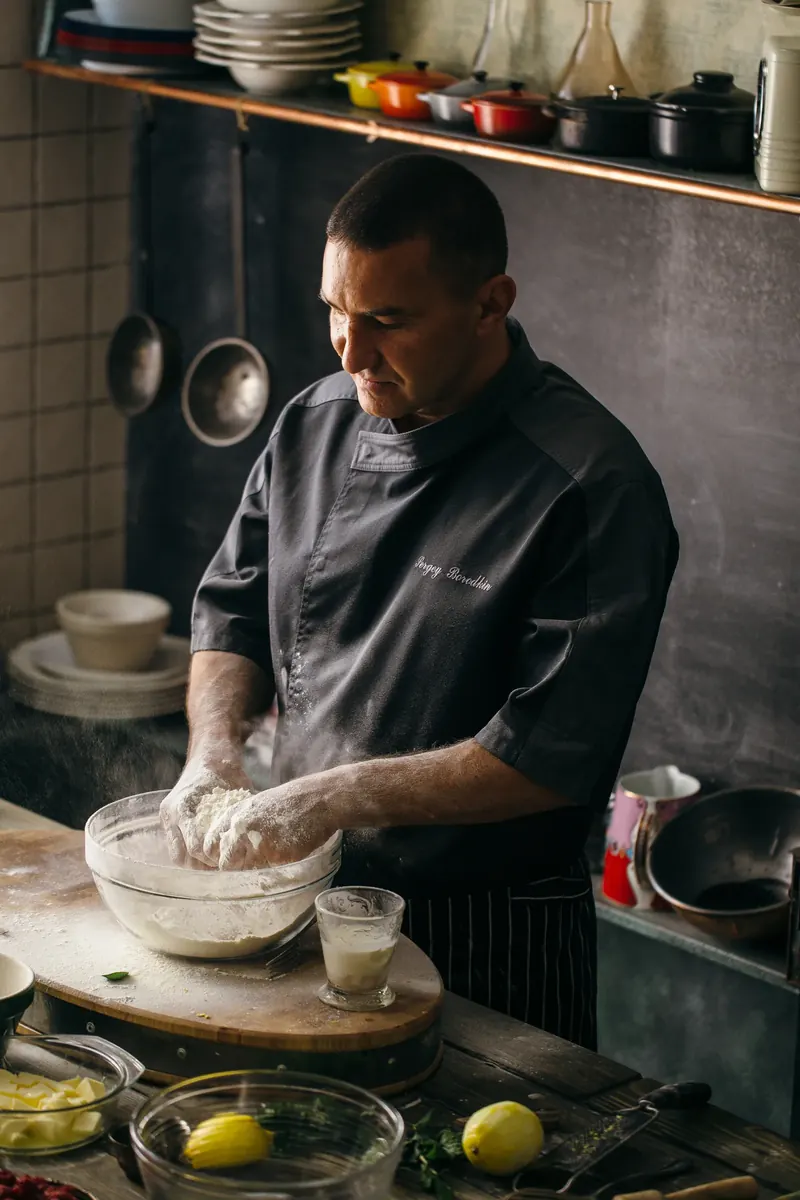
Lau Yiu Fai notes that his award-winning poached lobster with bird’s nest is “easy to prepare at home”. Ruben Pogosyan suggests readers cook his chicken in orange sauce: “Try cooking this dish, and you’ll forget your skepticism!” Sergiy Borodkin ends his wish with “The kitchen is your territory!”
Good ingredients, simply cooked
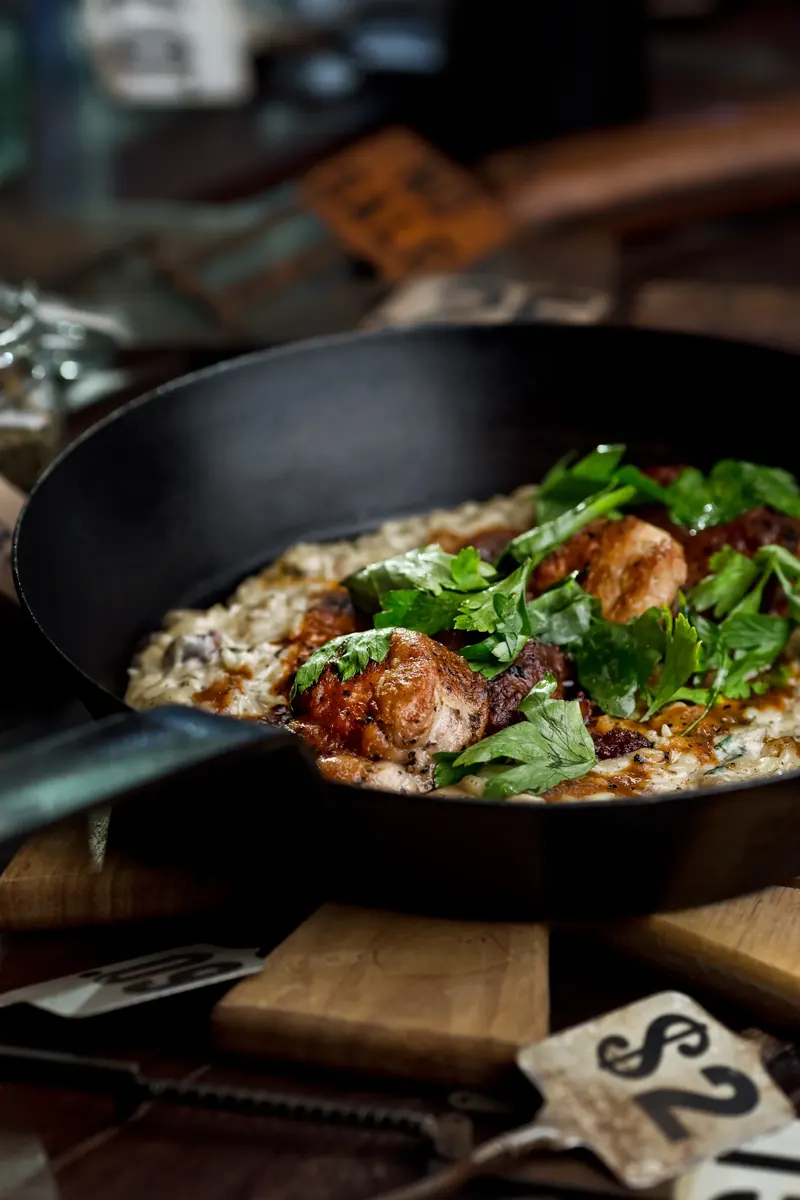
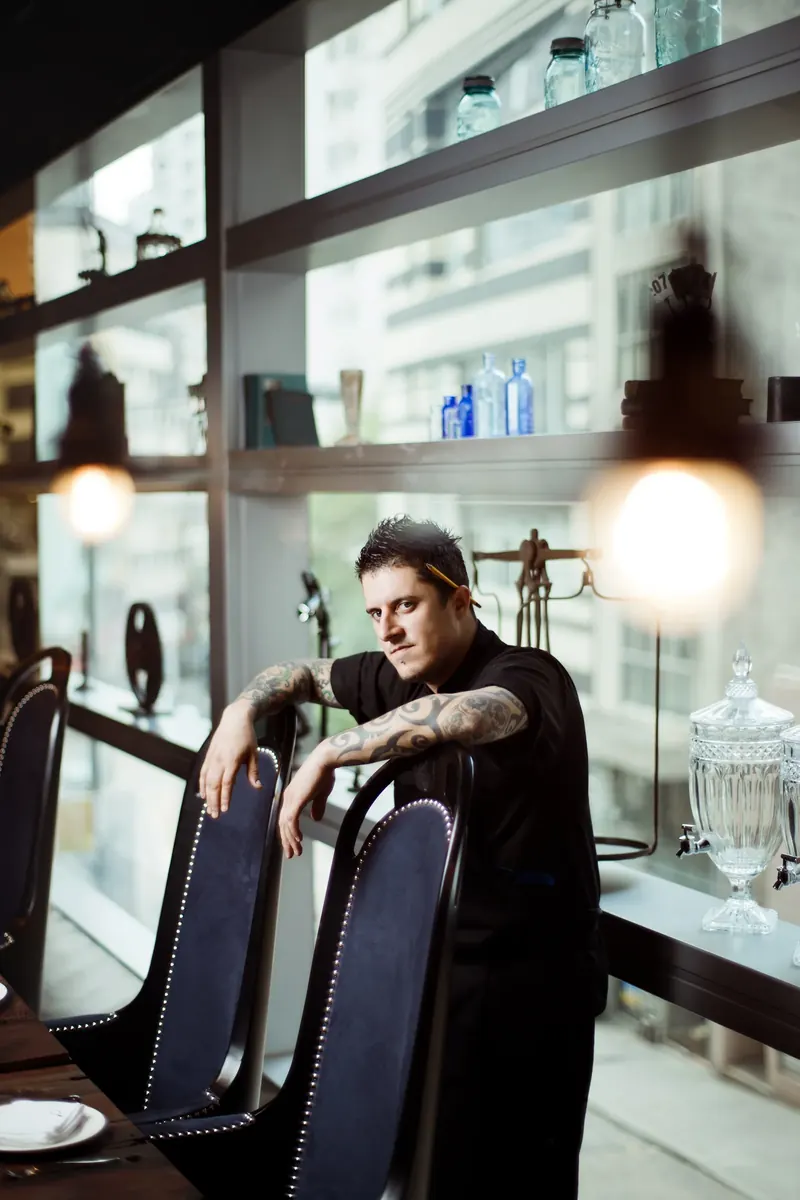
Seven stories point the reader to what goes into the dish: good, fresh, simple ingredients. Danny Chaney puts it in one line.
I’d like to wish readers to stay true to simple food and great ingredients.
Danny Chaney, Hong Kong
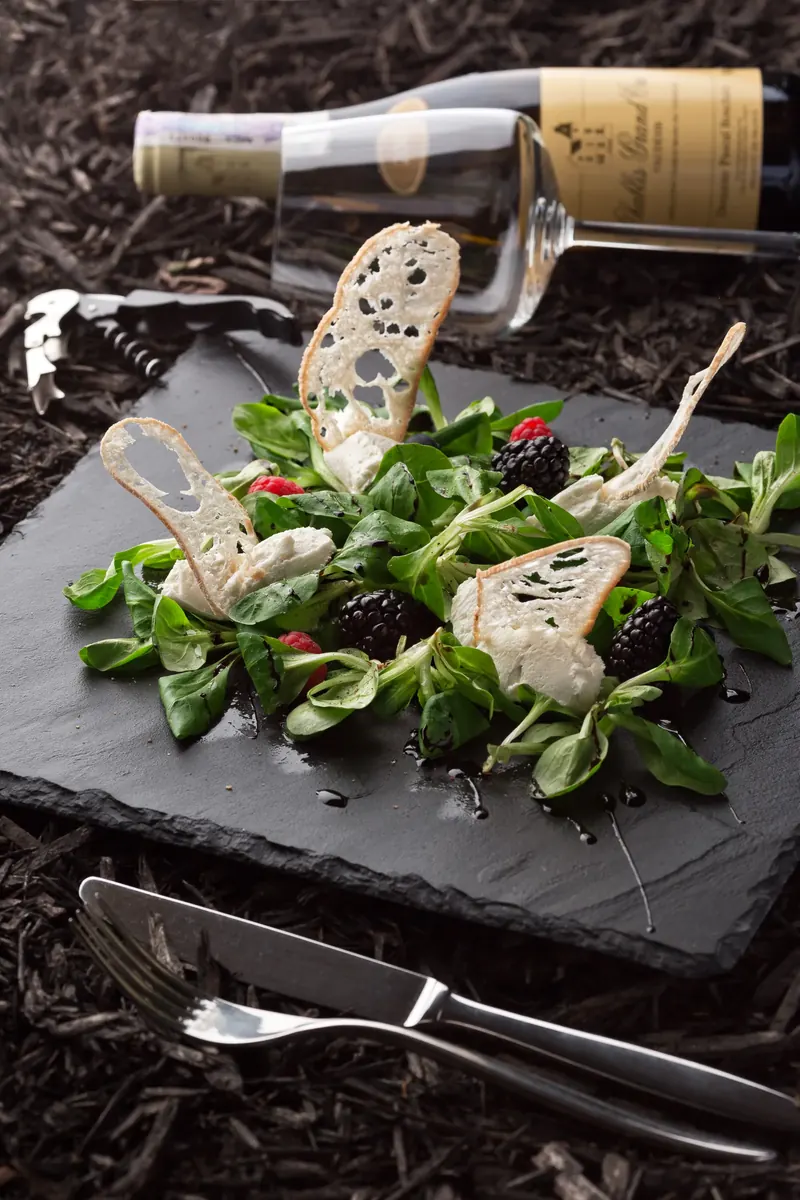
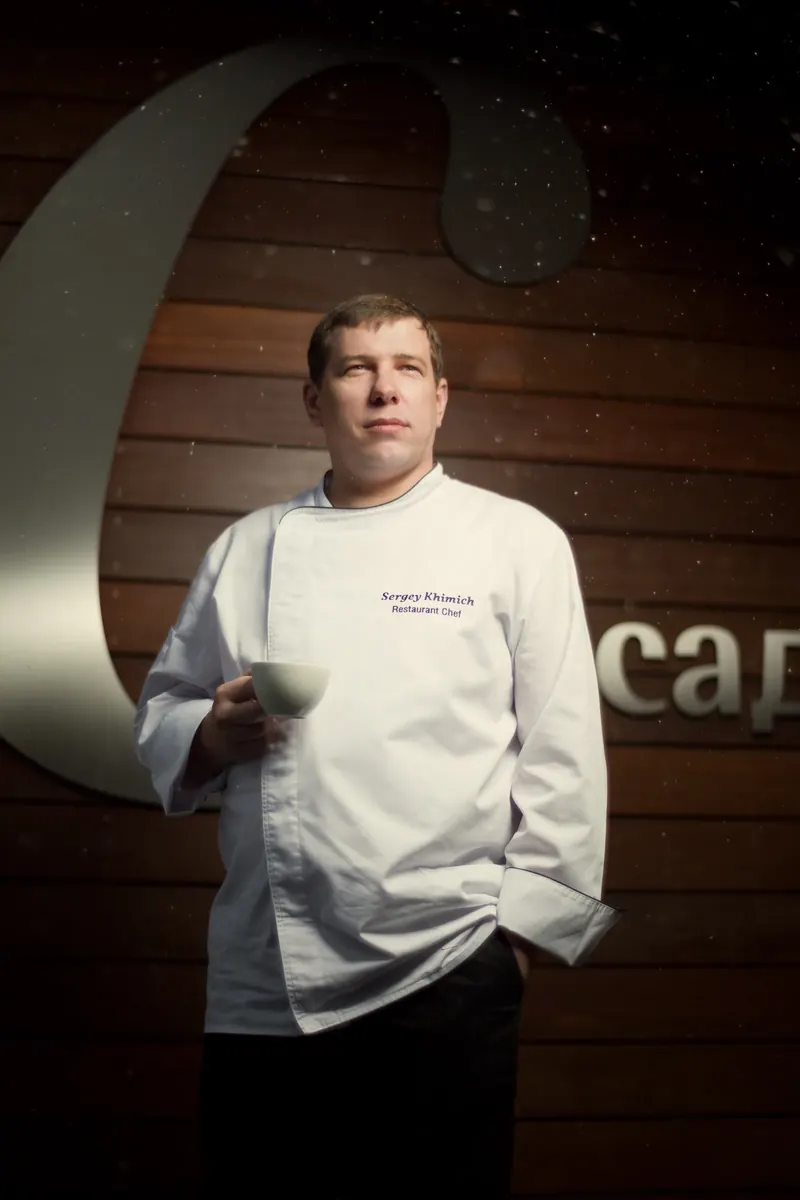
Sergei Khimich goes further. He says he cannot understand chefs who use chemical seasonings and dry sauces.
I'd like to wish readers to use only organic, fresh products.
Sergei Khimich, Kyiv, Ukraine
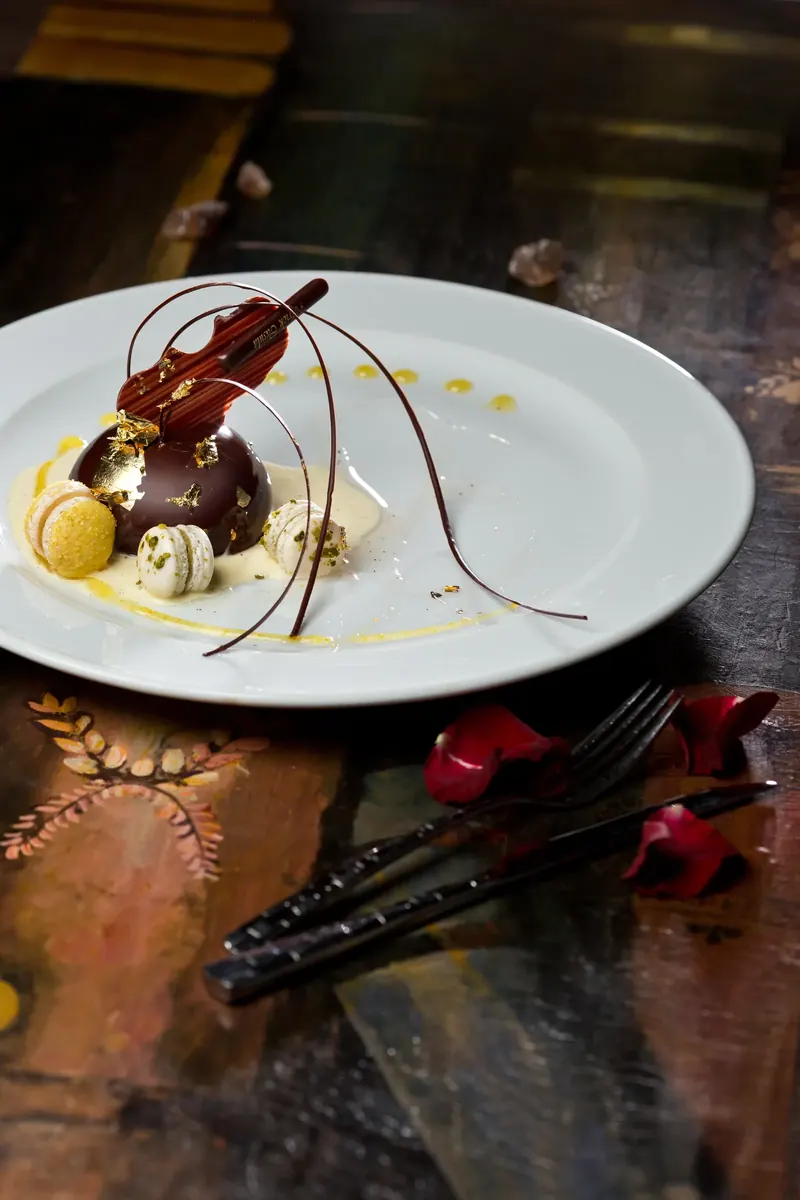
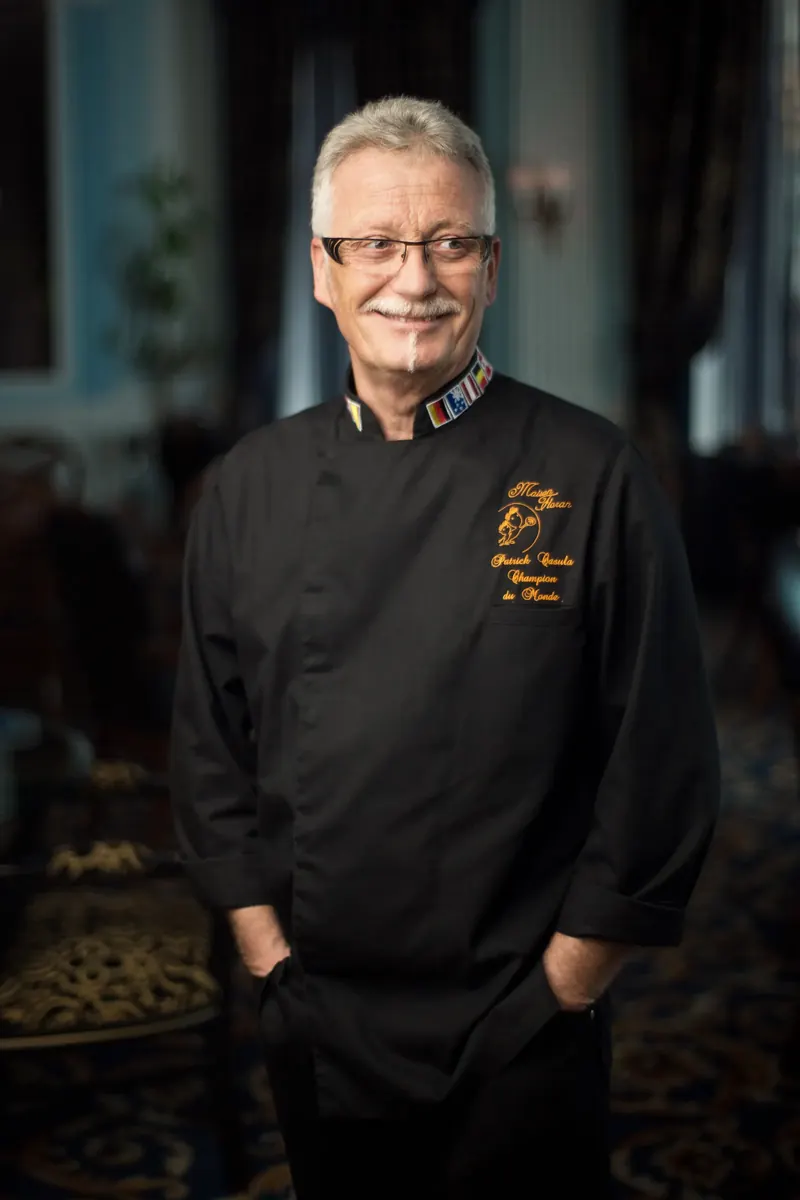
Patrick Casula, a pastry world champion, puts freshness ahead of luxury.
You don’t need to eat foie gras and caviar every day; you can enjoy simple things. Respect the food you cook: products should always be perfectly fresh.
Patrick Casula, France
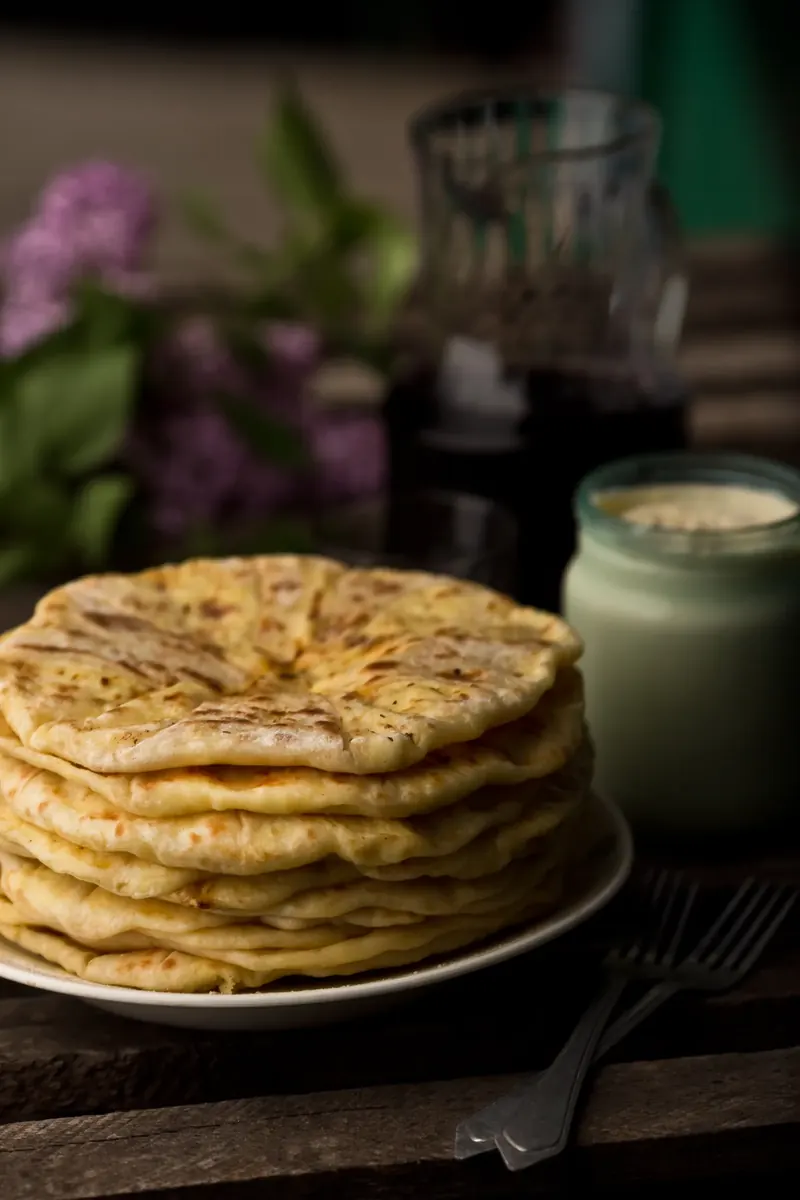
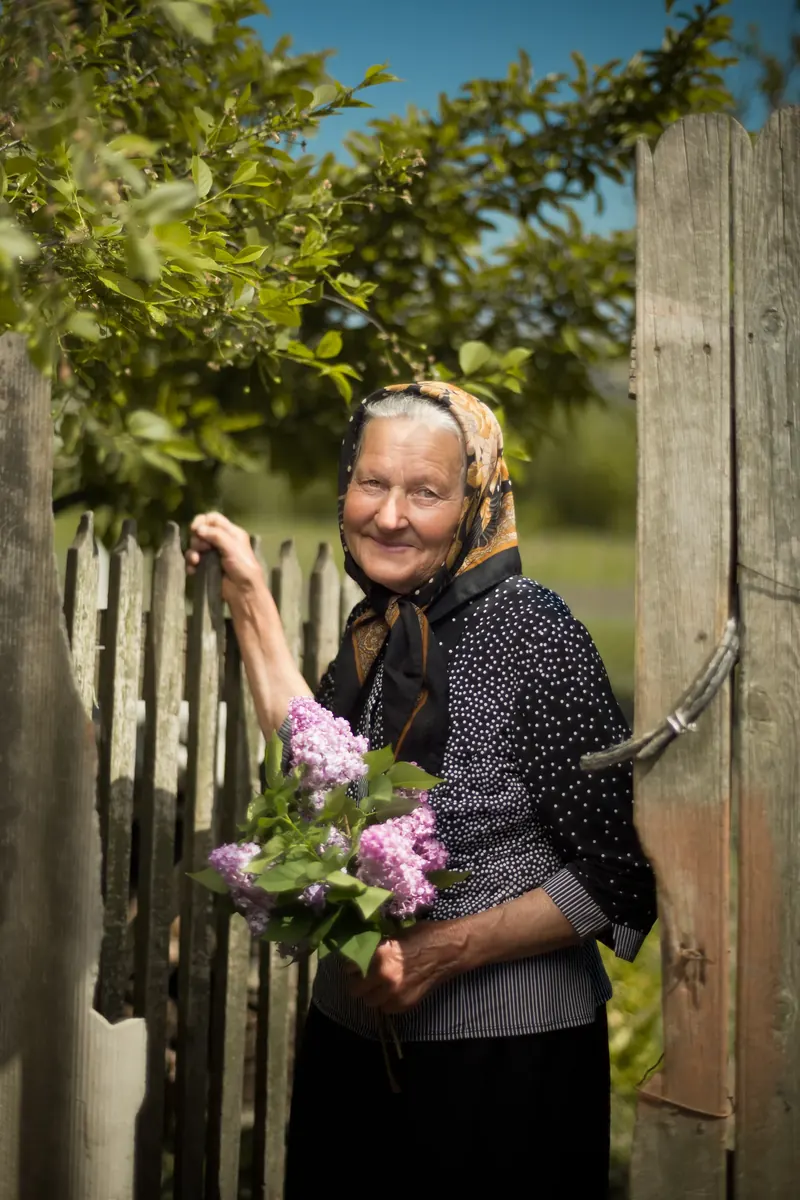
Maria Ilyinichna Fomina, born in 1934, worked as a cook at a kindergarten. For her, water is an ingredient too.
The main thing in a dish is organic food and water. In the cities your water is insipid, not alive, and that’s no good for cooking.
Maria Ilyinichna Fomina, Bessarabia, Ukraine
She adds that “the simpler a dish is, the closer it is to people and the better it tastes”.
A recipe is only the start
Nine stories are about how to cook rather than what to cook with. Four say there is more to it than following a recipe, and six say that the cook’s heart or mood ends up in the food. Caesar Lee says both, after noting that anyone with a smartphone can get lost in cooking blogs for hours.
But following a recipe isn’t enough: it’s important to cook with your heart! Treat ingredients as living things in order to create perfect dishes. And nothing is perfect without love!
Caesar Lee, Hong Kong
Lau Yiu Fai’s advice is to repeat.
To be a good cook, you can’t simply follow the recipe. Besides learning practical cooking methods, you need to try the recipe several times in order to succeed and to create your own cooking style and character.
Lau Yiu Fai, Hong Kong
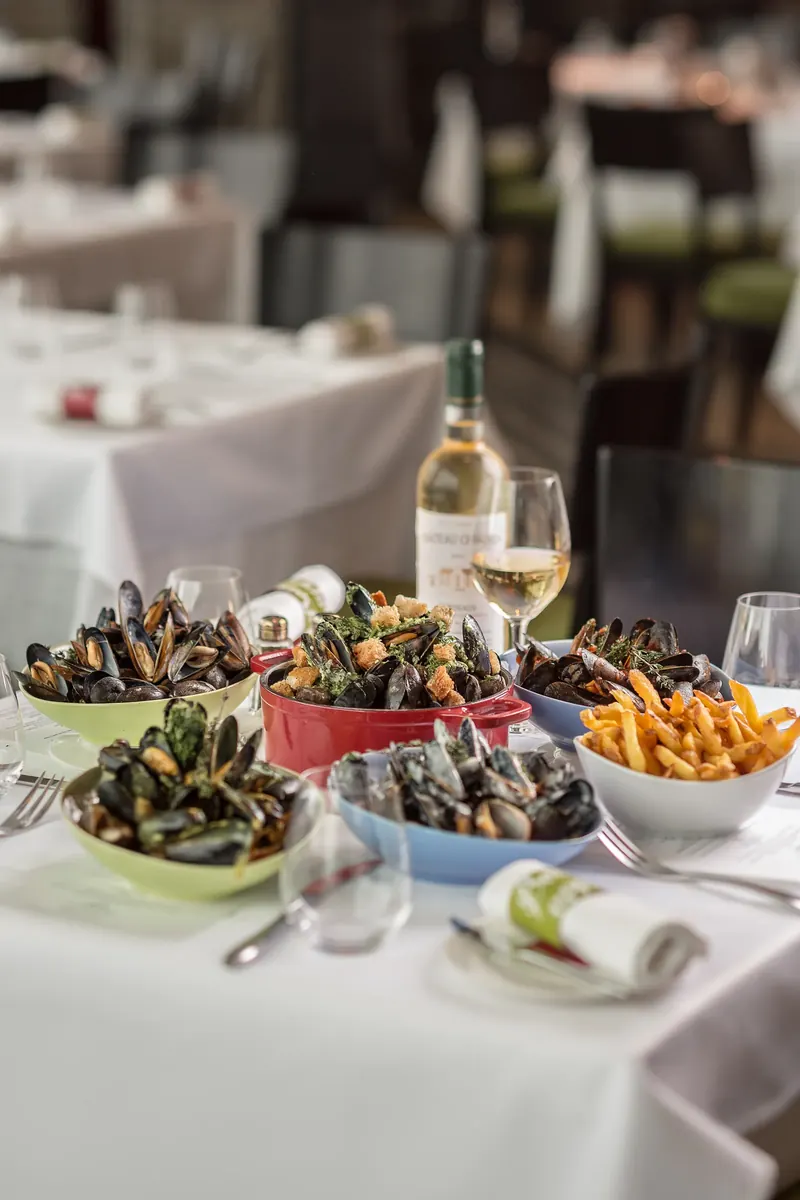
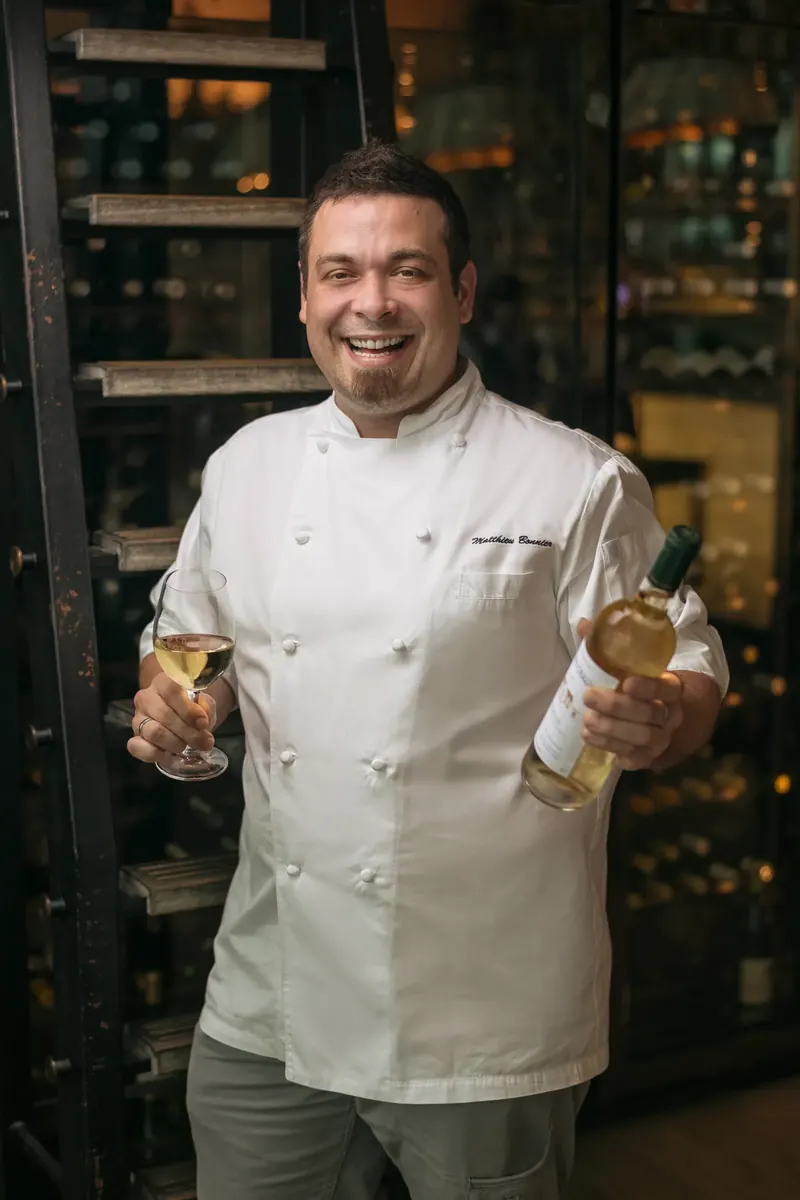
Chef Korn’s mantra for his own cooking is close to it: “I cook, tasting and testing”. Simson Kwan wants readers to cook with the brain rather than the hands, and to learn, adapt, improve and modify. Matthieu Bonnier calls his words “not a wish, but a piece of advice”. Many French recipes, he says, are known to have come from their makers’ mistakes.
My point is this: before a dish becomes perfect and comes to fruition, you should never feel disappointed when your recipe doesn’t turn out quite the way you wanted, because you might just have found another one of those classics.
Matthieu Bonnier, Hong Kong
The rest put it in terms of feeling. Krajang Thongjan asks readers to “put your heart into everything you do”. Ruben Pogosyan’s “big and simple secret of tasty food” is to cook “with your heart, a smile, and a good mood”. Biljana Kebakoska Dimitrijević, who says she is not a chef, needs three words: “Cook with love.”
Don’t be afraid to try something new
Nine stories ask the reader to try something new: a flavor, a cuisine, a way of doing things. Some mean food, some mean life in general.
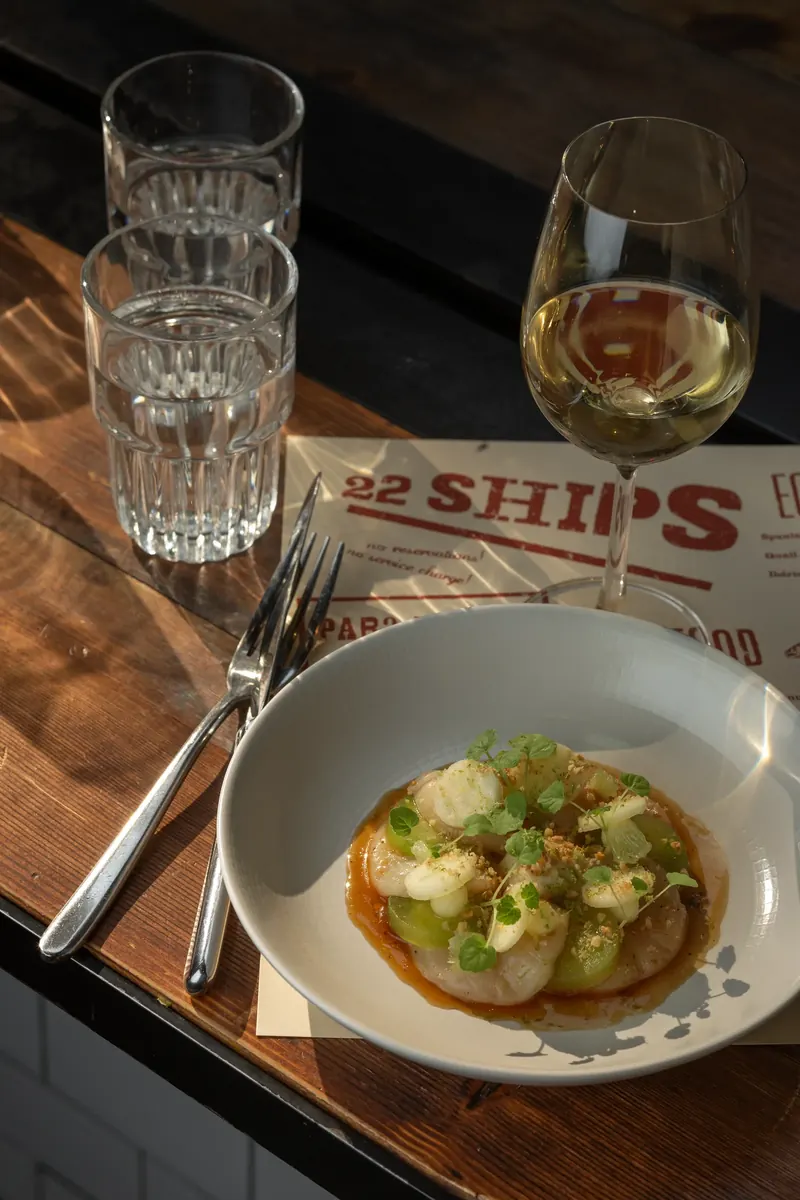
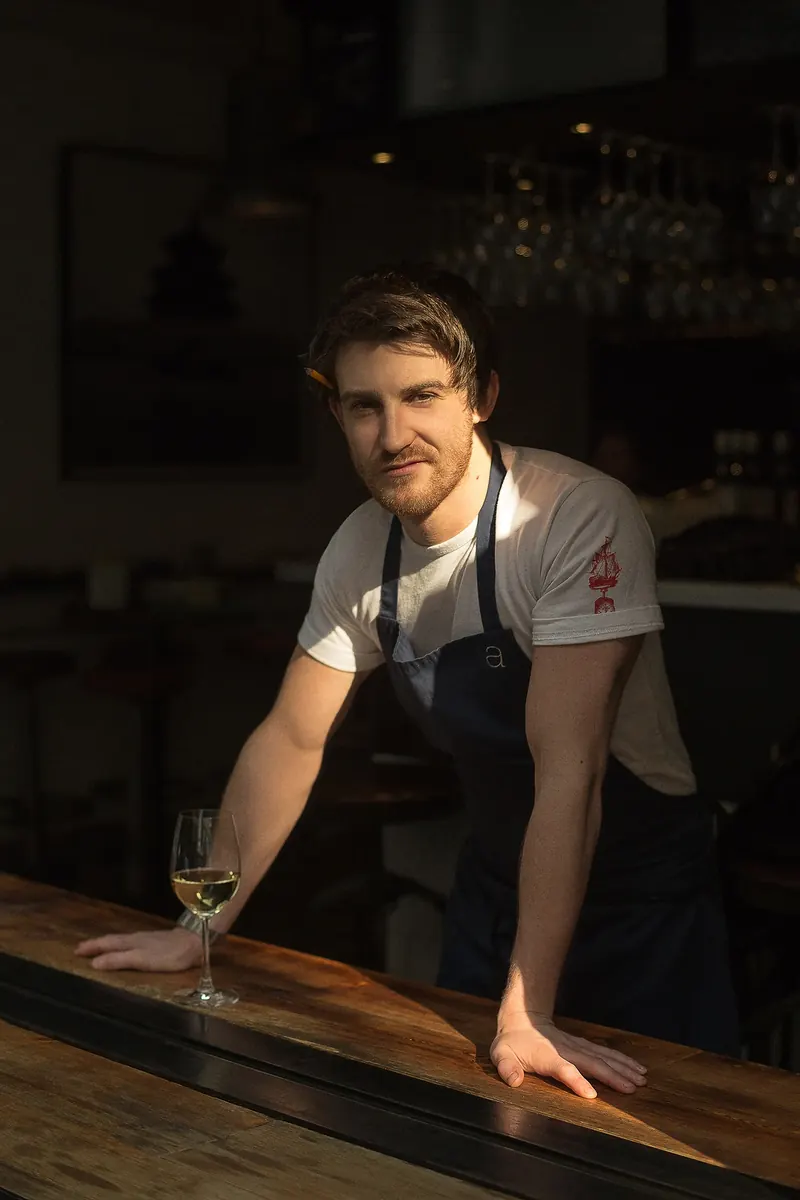
My wish for the readers: don’t be afraid to try new things. You may surprise yourself!
Lee Westcott, Hong Kong
I would like to wish readers to find inspiration, to do what they love and not to be afraid of experimenting. Try something new, let the results surprise you and give pleasure to the people around you.
Sergiy Borodkin, Tel Aviv, Israel
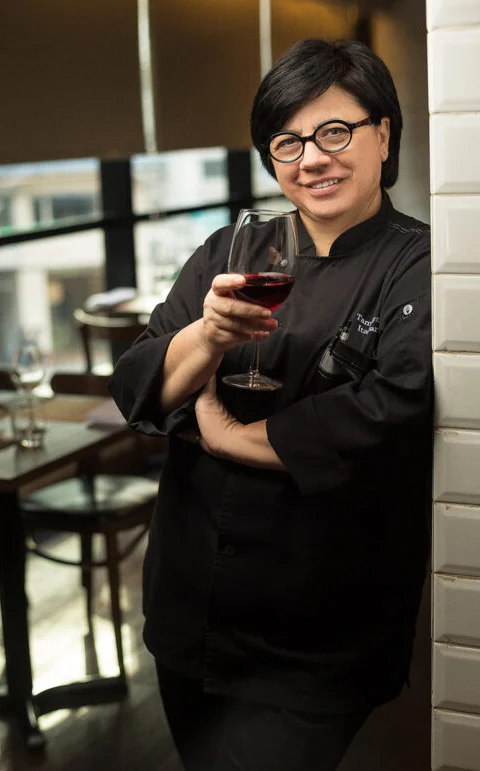
Tamara Mattii makes it a habit.
My advice to readers is never to lose your passion for challenges. Always look for something new and try alternative ways.
Tamara Mattii, Hong Kong
Jonay Armas tells all foodies to “keep on exploring good food and new flavors!” Stefano Antoniolli’s advice, for readers and “especially cooks and chefs”, is to read books, exchange experience with other chefs and “never be afraid to try something new”. An idea that cannot be realized yet, he says, can be put aside and picked up later.
Eat well, at home and away
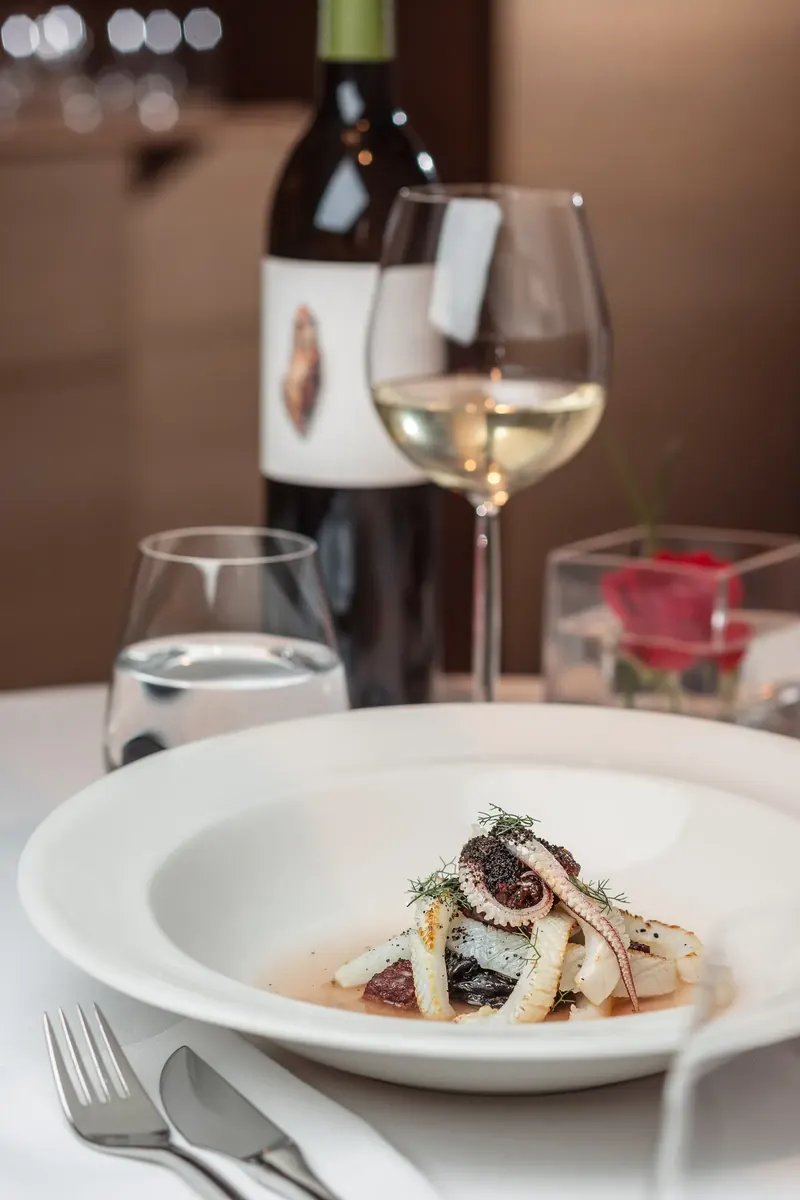
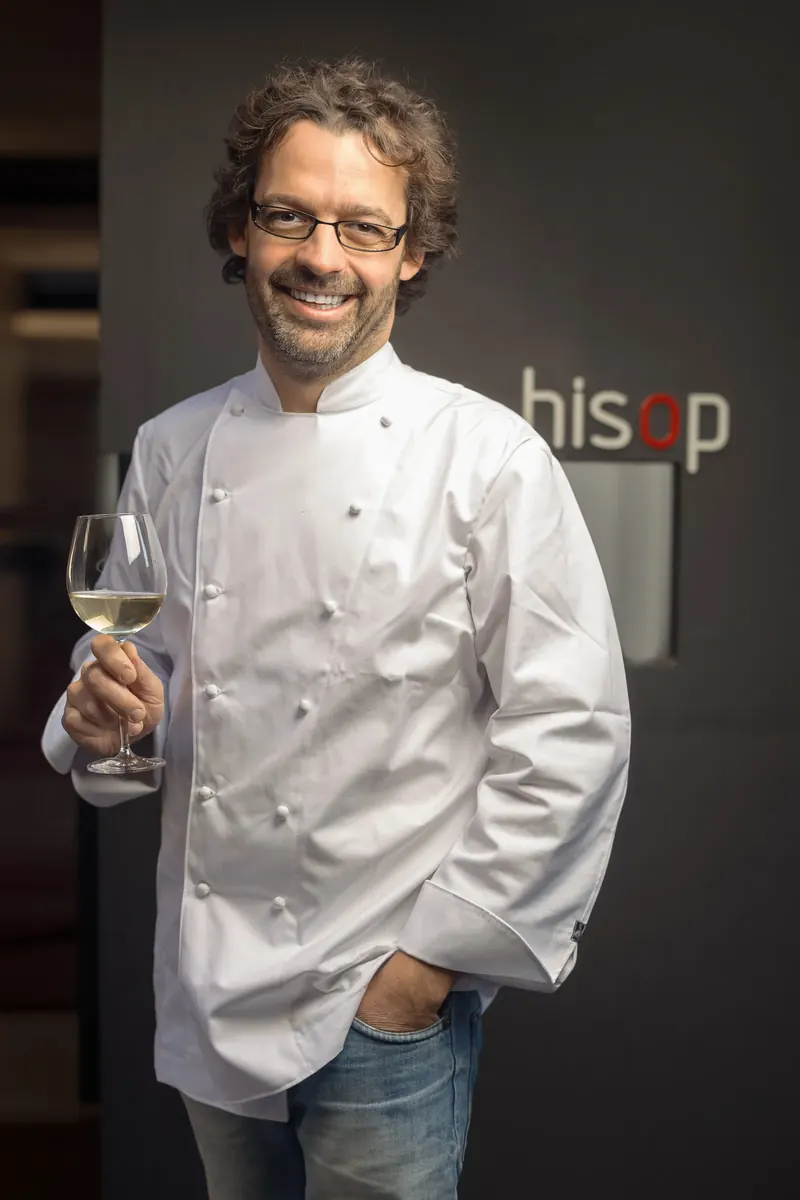
Eleven stories are about eating: for pleasure, in restaurants, on the road. Oriol Ivern’s message to readers is “to enjoy food everywhere, in every moment”, and he is specific about how.
Life is too short to waste on bad meals. Try seasonal, local food when you travel, seek out the best cafés and restaurants, and experiment with flavors.
Oriol Ivern, Barcelona, Spain
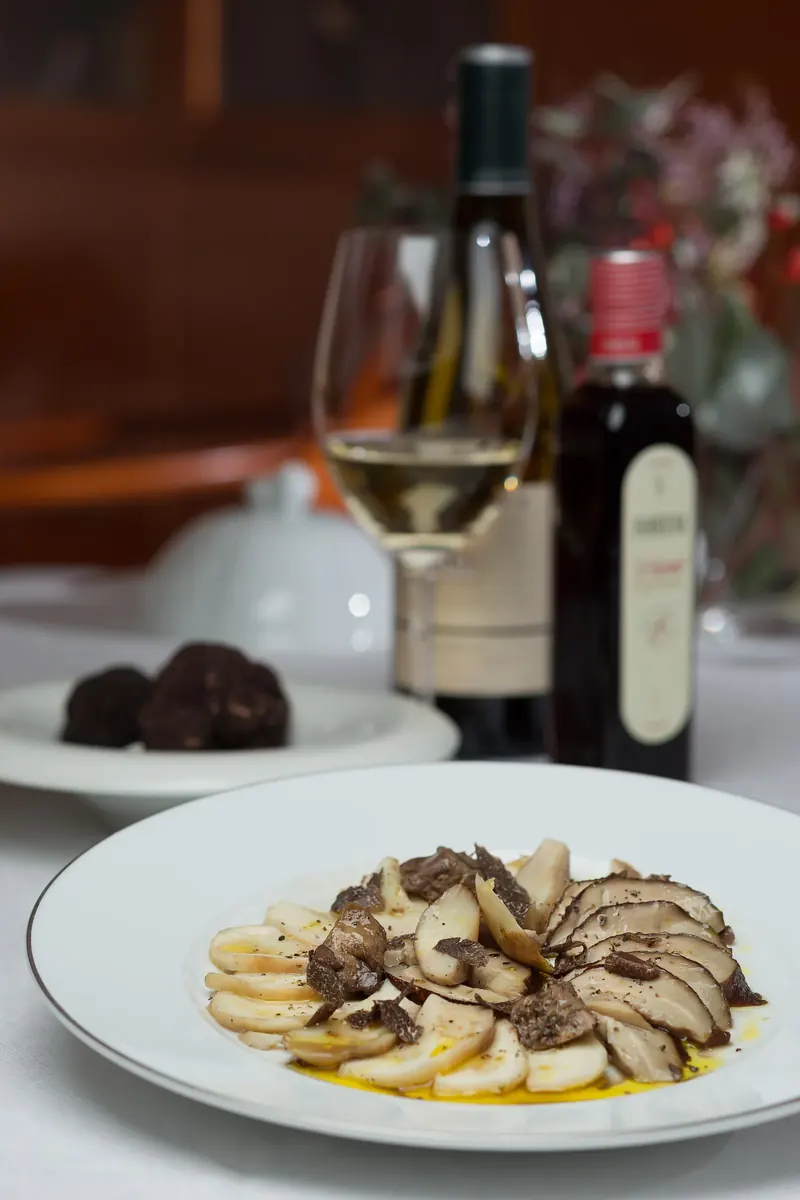
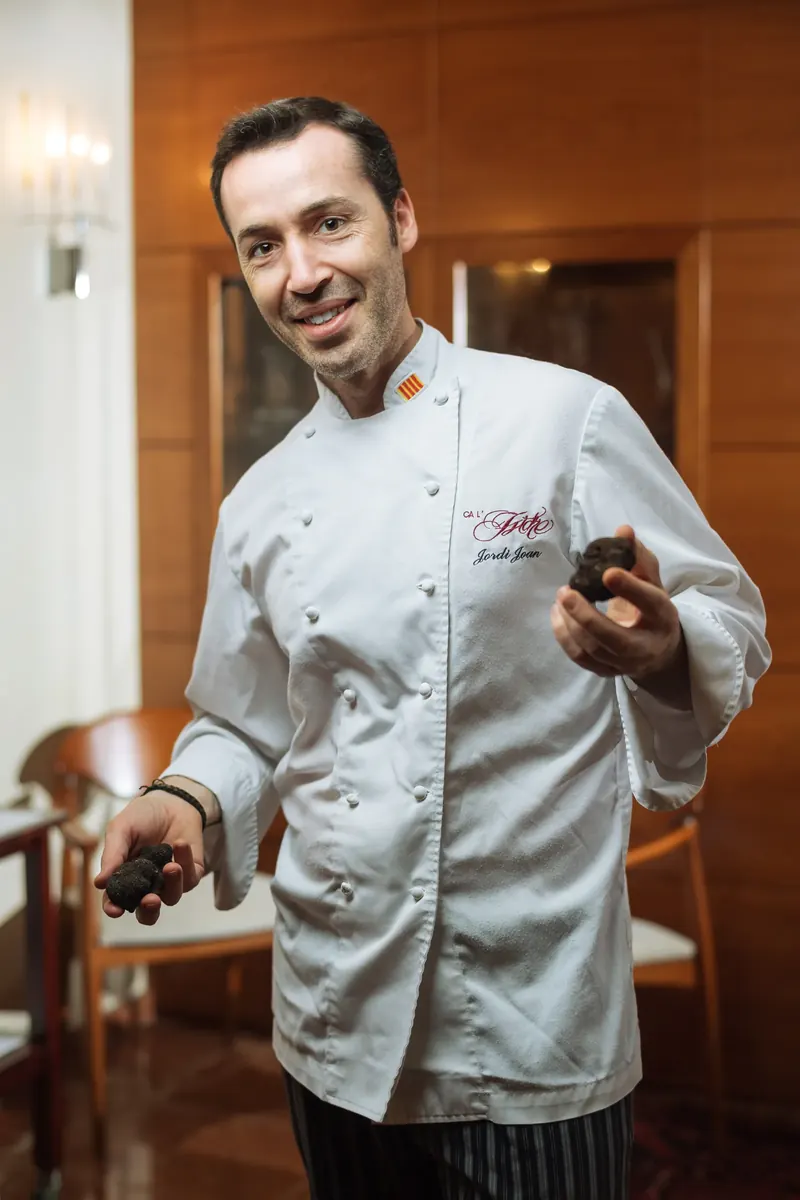
Jordi Joan is a sommelier as well as a chef.
I can give you one piece of advice: look to food for fun, as well as for a way to satisfy your hunger! Food is one of the simplest and most accessible entertainments in this world.
Jordi Joan, Barcelona, Spain
A glass of wine and a favorite delicacy, he adds, can work wonders. Vladimir Rumiantsev’s wish joins the restaurant to the home kitchen.
As a chef, I wish all readers only one thing: to go to the restaurants and cafés that suit your own taste, not your wallet, and to cook at home only for pleasure.
Vladimir Rumiantsev, Odesa, Ukraine
Simson Kwan’s second piece of advice is about appetite and travel.
My second piece of advice to readers is to eat with your “heart” and truly experience dishes from every cuisine around the world. It will enrich you.
Simson Kwan, Hong Kong
Harlan Goldstein tells readers to “eat the most delicious dishes you can find” and to remember how they tasted. Jorge de Angel Moliner, who worked as a professional chef only after his first cookbook got him fired from his job, has a shorter message: “never work as a cook, just go to a restaurant and enjoy your life!”
Do what you love
In 31 stories at least part of the message is about life rather than the kitchen. In 13 of them, the chef tells the reader to do what they love, to follow their heart or a dream, or to find their life’s work. Shaun Anthony wanted to be a musician before food won.
I wish you to search for love in your life. Love what you do, or throw it to hell if the feeling is too weak.
Shaun Anthony, Hong Kong
Umberto Bombana, whose Hong Kong restaurant earned three Michelin stars, gives the same advice with examples.
Do what you love and do it better than anyone. Do you like eating? Become a food critic or a chef, or open your own restaurant.
Umberto Bombana, Hong Kong
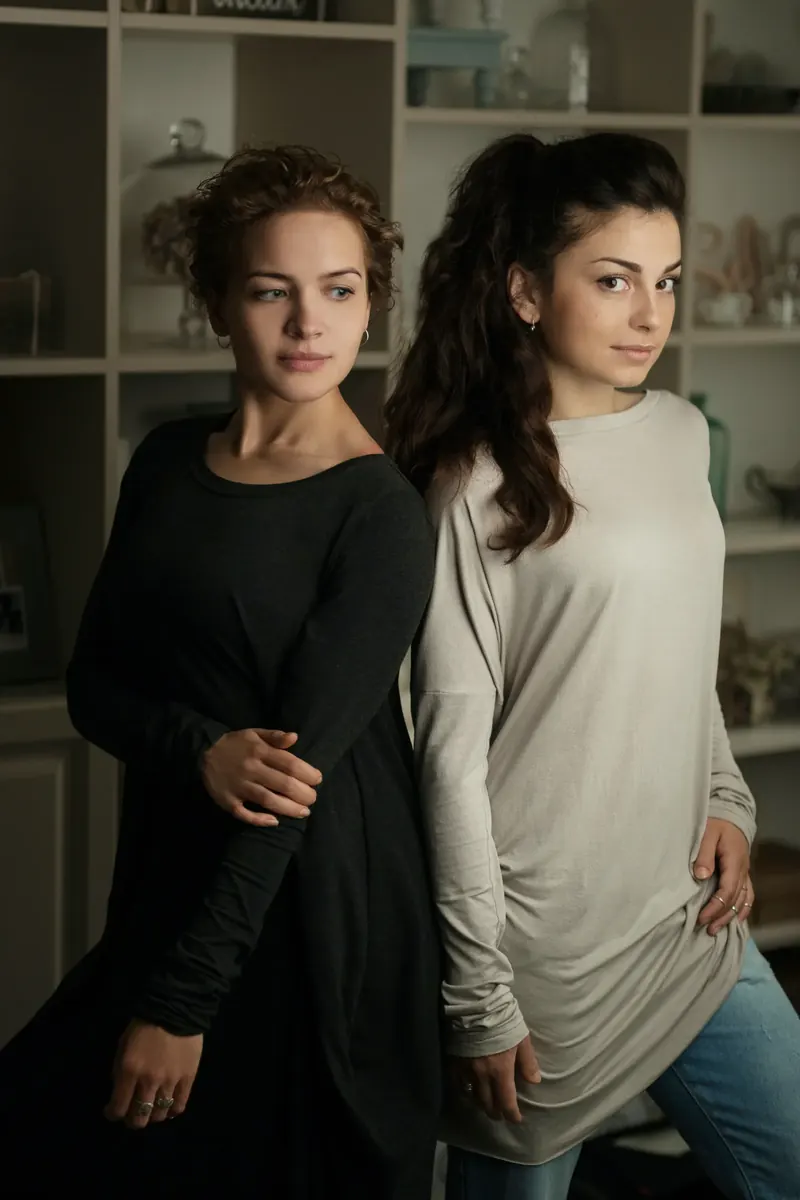
He was lucky, he says, not to lose his childhood dream, and he is no different from the people reading. Victoria Gladchenko, who left another industry to open a patisserie with Anna Bakhonko, keeps it simple.
It's very simple: love what you do, listen to the voice of your soul and don't waste time on empty things, whether it's uninteresting work, bright covers with no meaning or, above all, public opinion.
Victoria Gladchenko and Anna Bakhonko, Odesa, Ukraine
She ends with “Love, because life is so short!” Oyvind Naesheim names three rules for any career, “passion, dedication, discipline”, and suggests hanging them on the fridge.
A wish to end on
The other wishes for life are short and warm. Olga Martynovskaya wishes everyone “simply to be happy”. Senapati Borendra, who grew up in a poor farming family in India and cooked his way to Hong Kong, tells readers that “you can be happy with very little”. Sebastian Frank: “If you want to succeed, you should learn how to relax!” Beata Parczała, whose Kraków restaurant draws on a 17th-century Polish cookbook, puts hers in the language of her kitchen.
I wish all readers to live their lives very tastily: sometimes spicy and crazy, like Thai tom kha soup, sometimes smooth, like aglio e olio sauce, and warm and steady, like Polish broth.
Beata Parczała, Kraków, Poland
The chefs quoted here
Sergey Kalinin
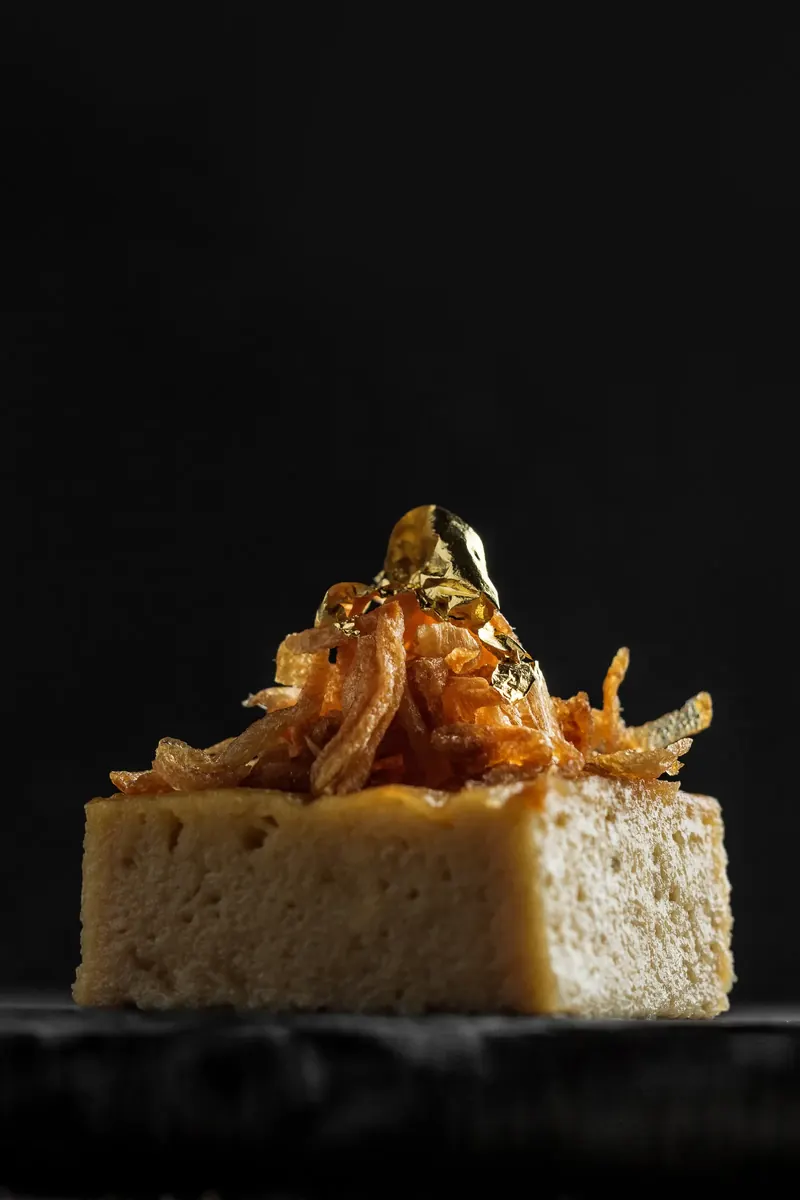
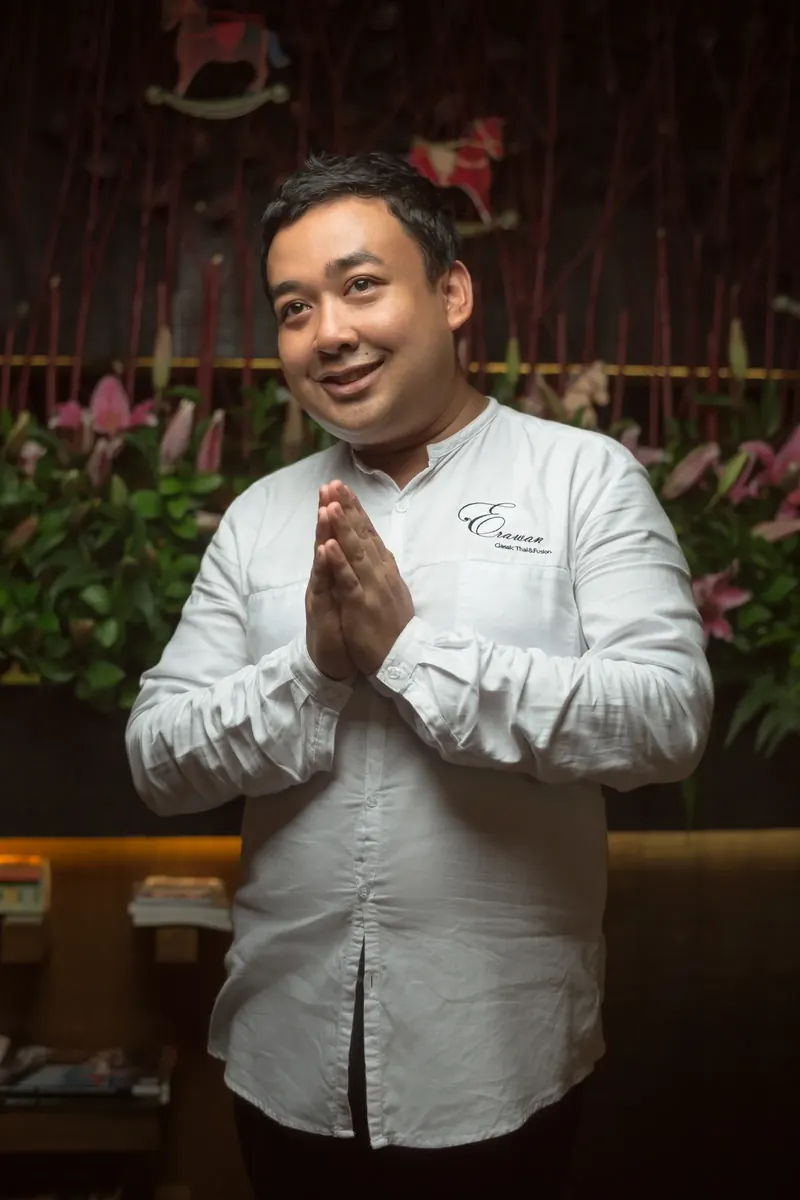
Trakool Yodsuk aka Chef Korn
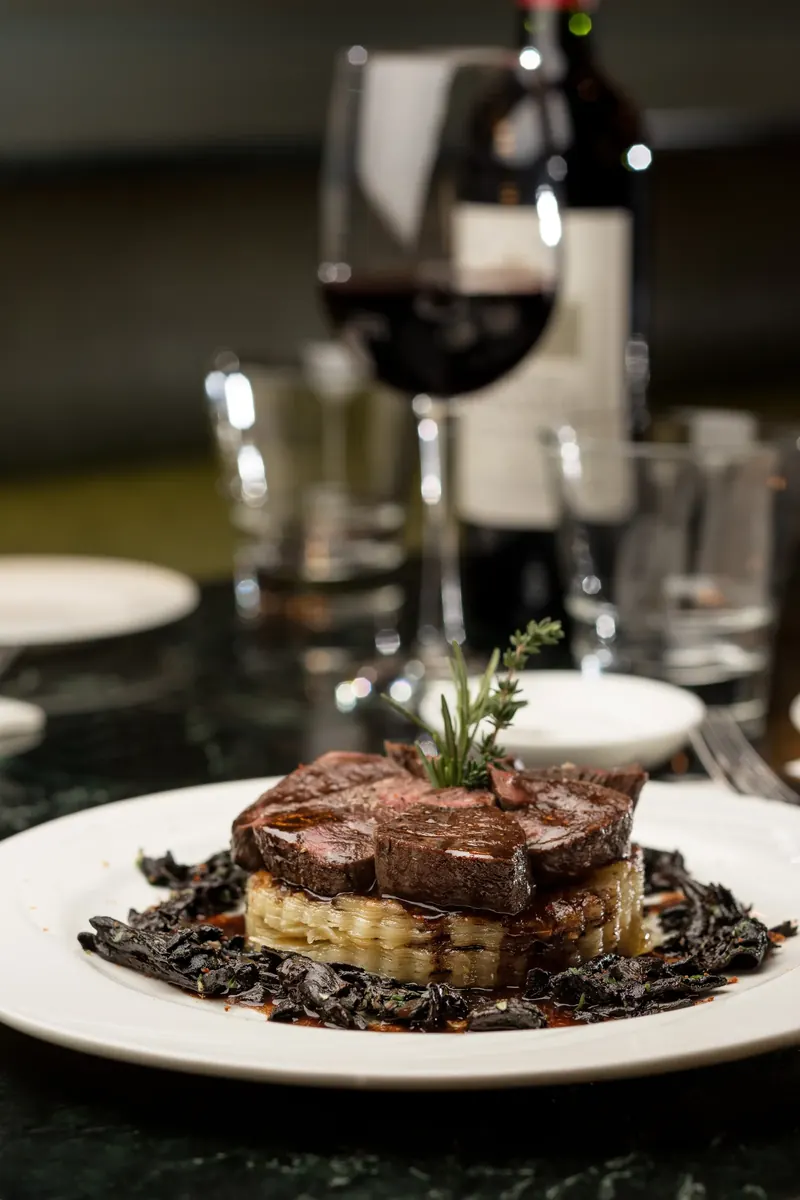
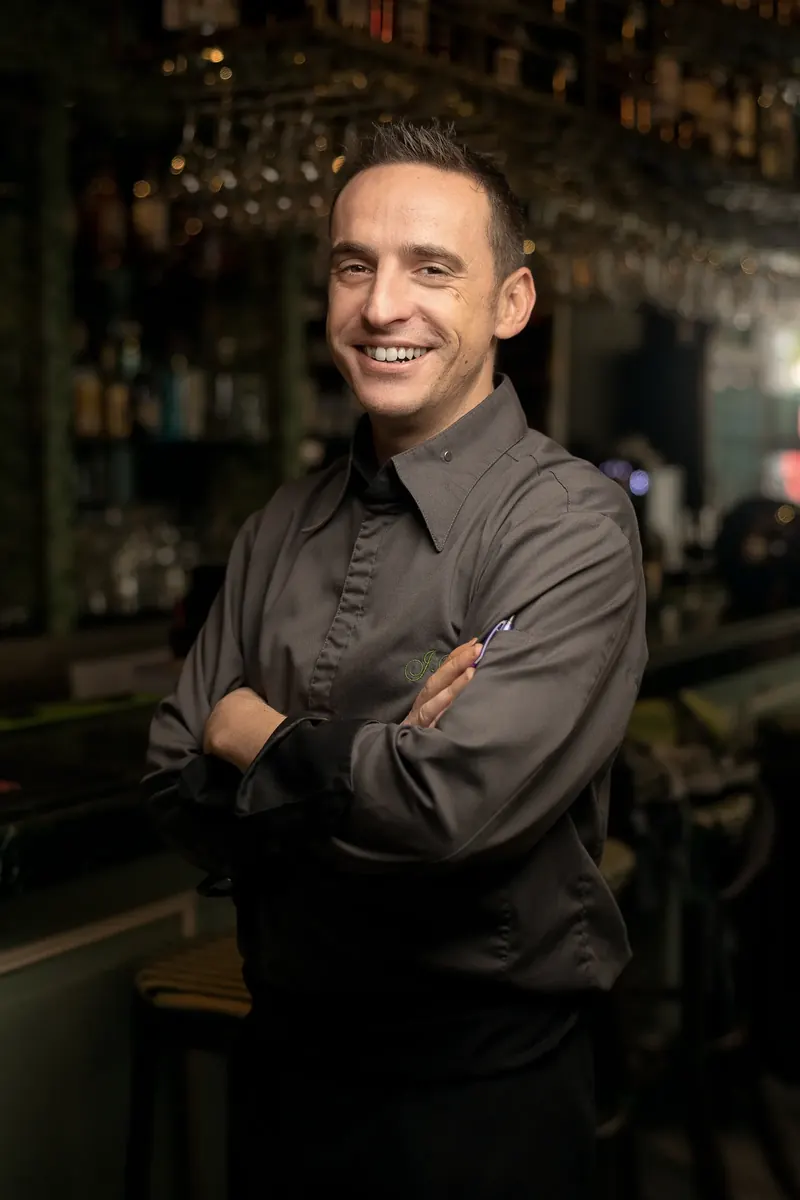
Jérôme Abraham
Danny Chaney
Sergei Khimich
Patrick Casula
Maria Ilyinichna Fomina
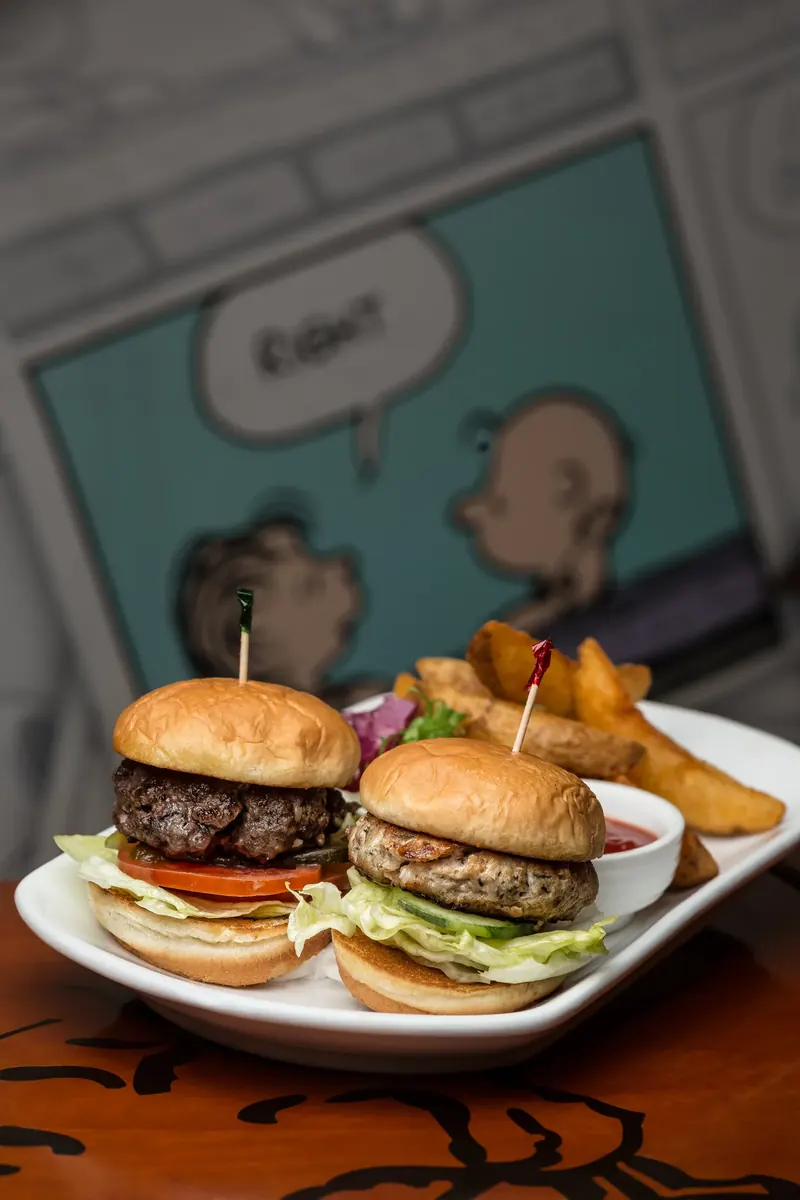
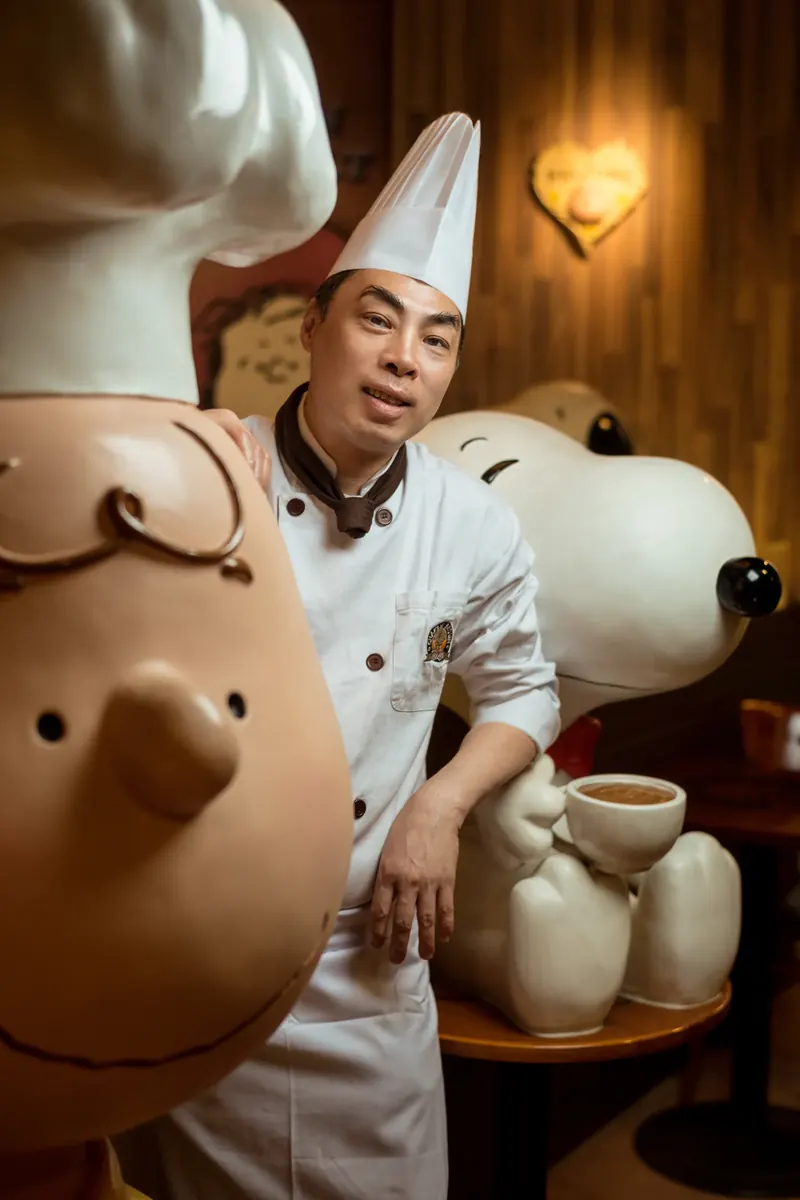
Caesar Lee
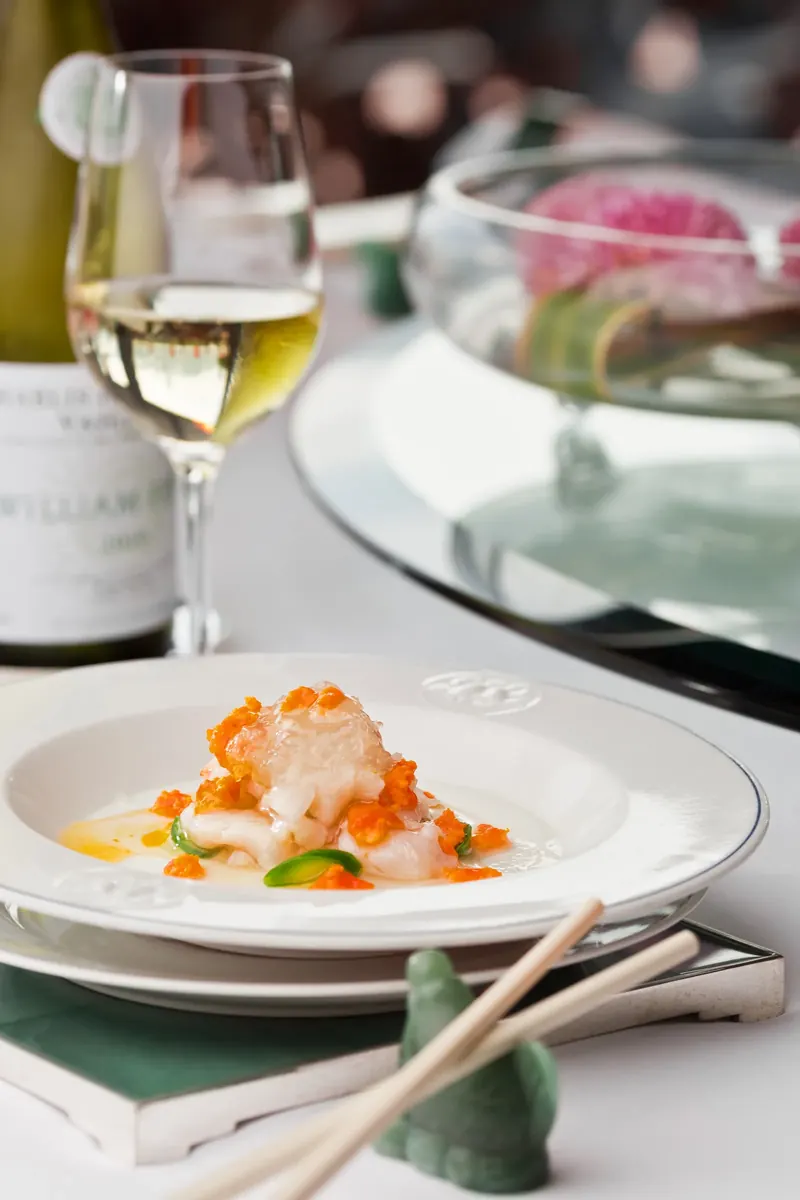
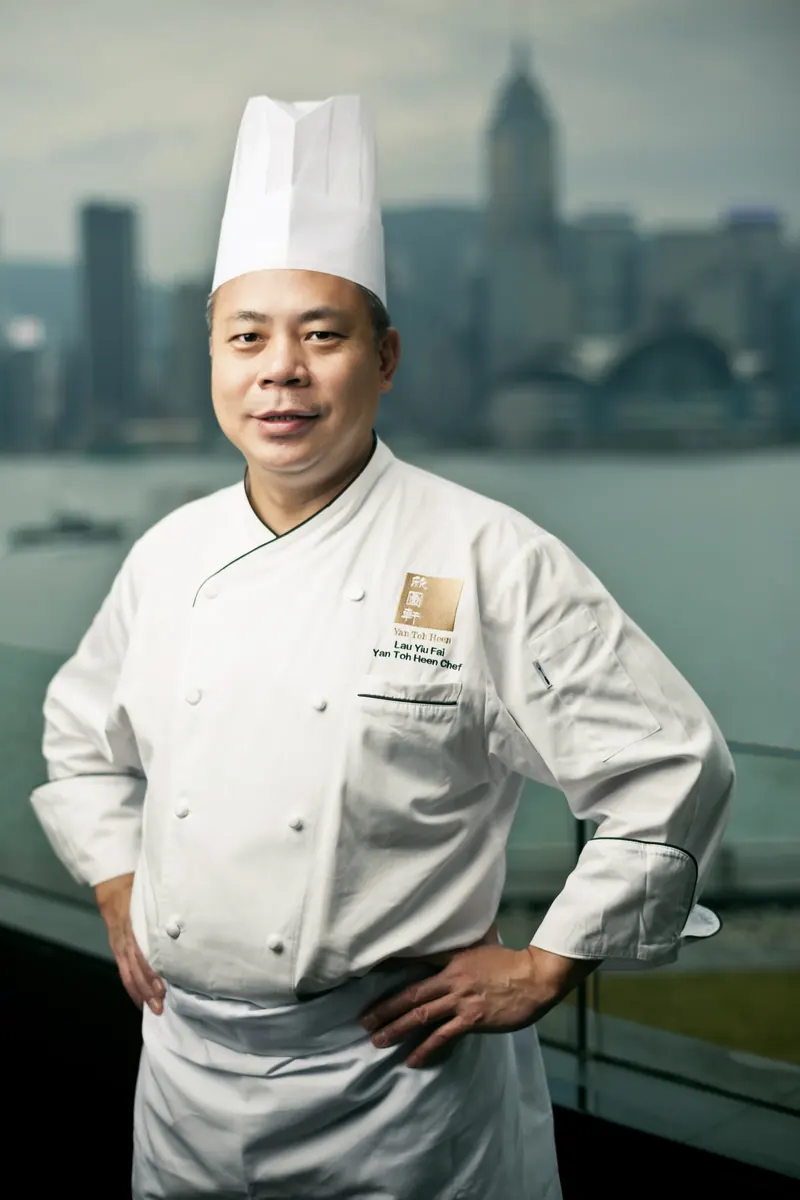
Lau Yiu Fai
Matthieu Bonnier
Lee Westcott
Sergiy Borodkin
Tamara Mattii
Oriol Ivern
Jordi Joan
Vladimir Rumiantsev
Simson Kwan
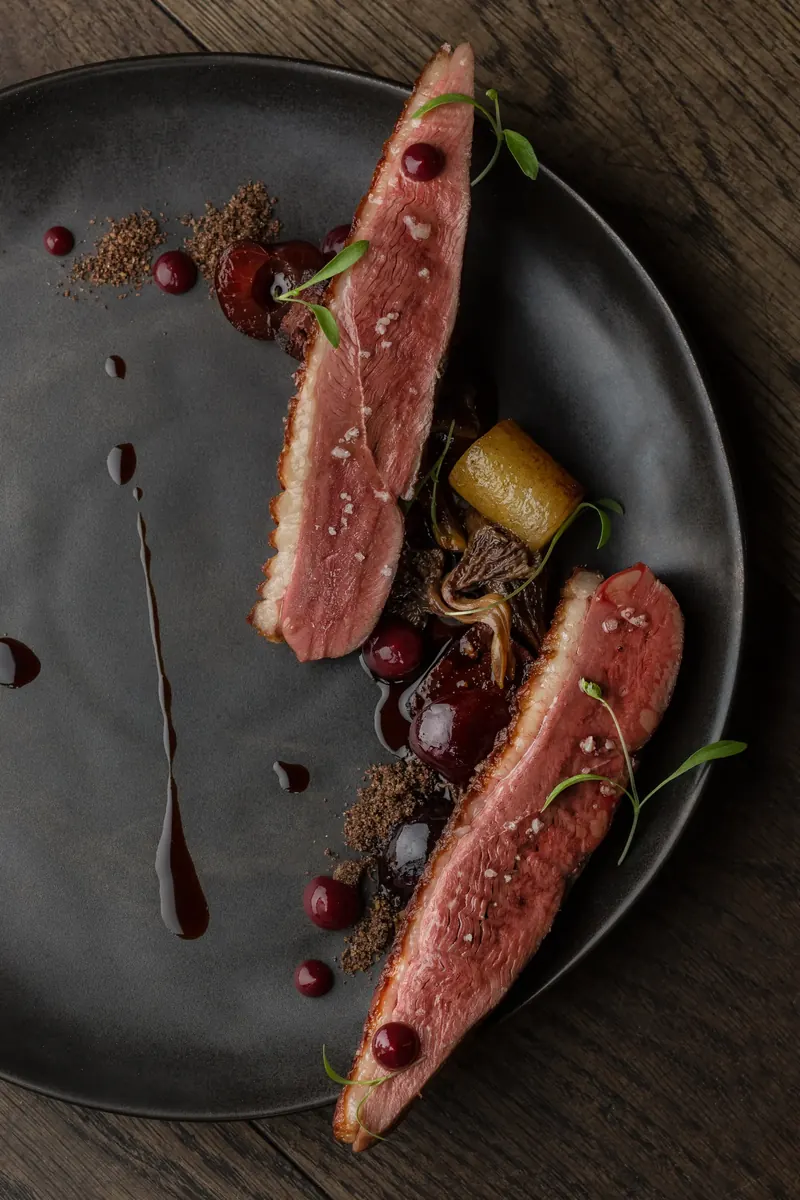
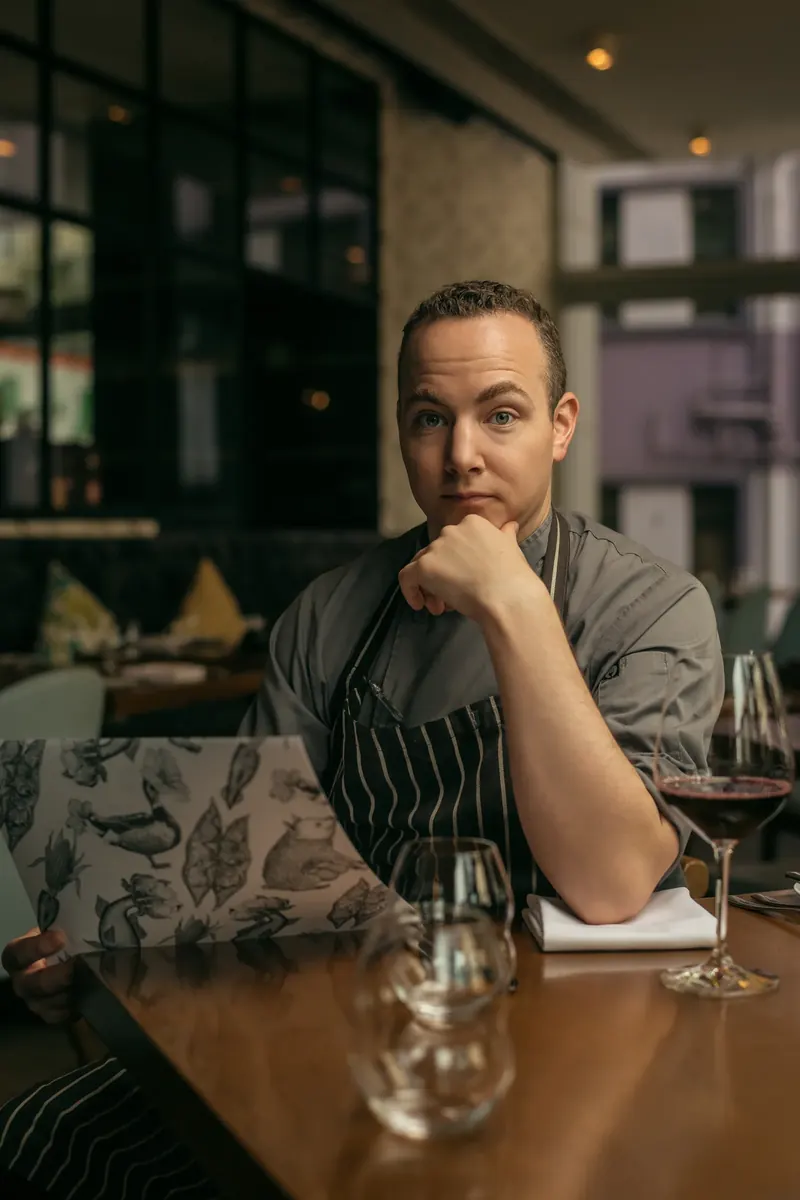
Shaun Anthony
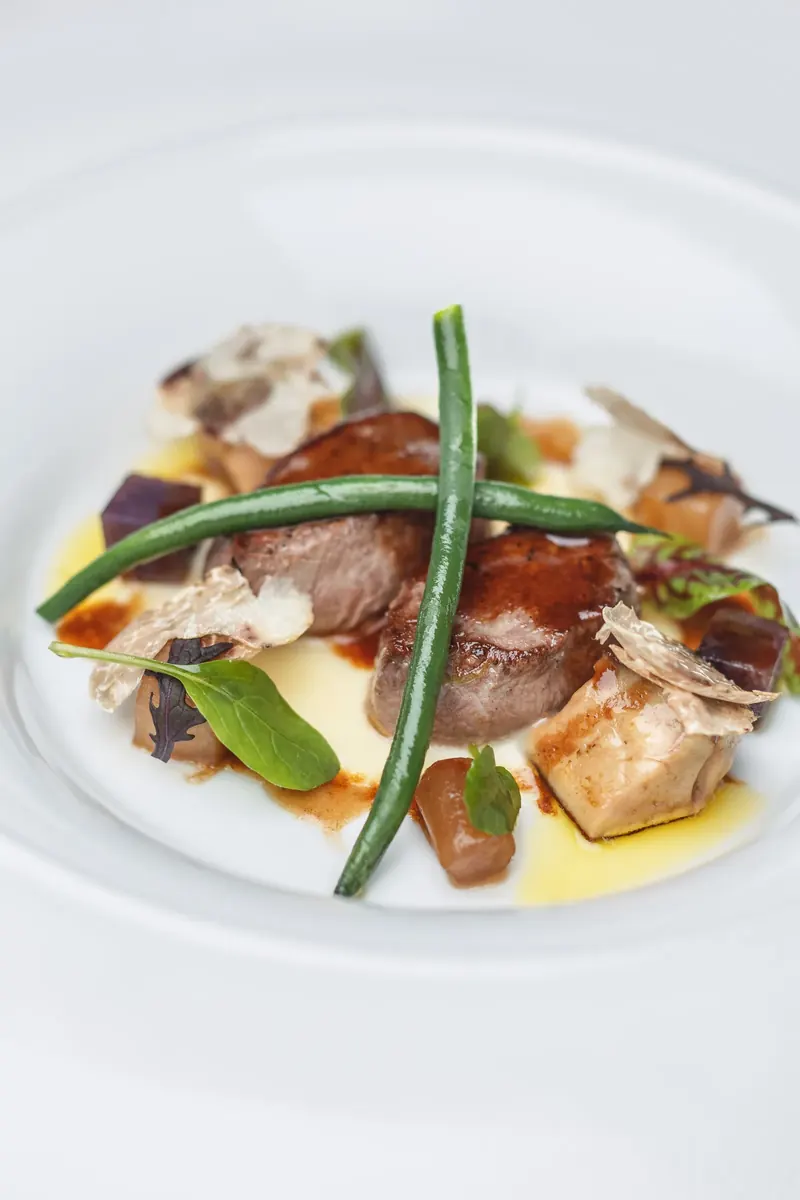
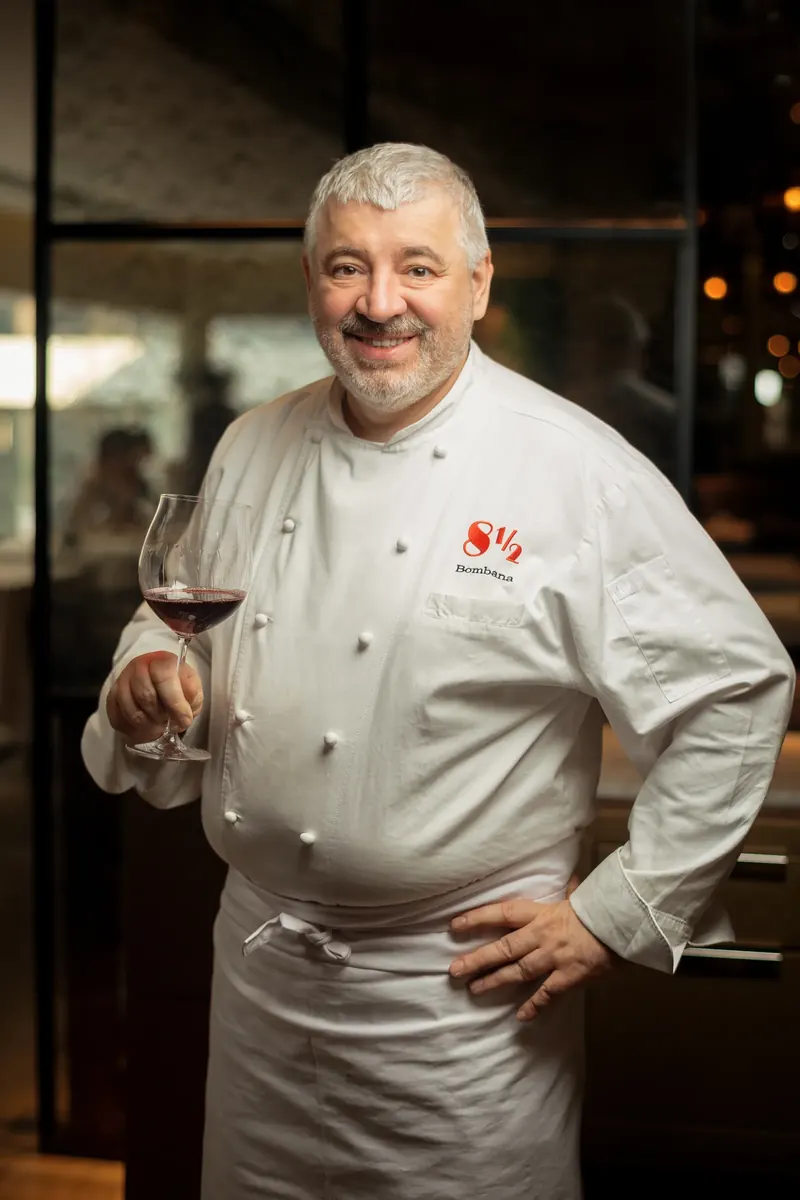
Umberto Bombana
Victoria Gladchenko and Anna Bakhonko